A Mediterranean table with vegetables, olive oil, grains, herbs, and shared plates
Dietary guide
Food EditionDietary
Framework hub
Mediterranean Diet
Dietary framework

Mediterranean Diet hub.

Think vegetables first, olive oil as the house fat, beans and lentils as real dinner, fish often enough to matter, whole grains that taste like food, and small pleasures kept in proportion. It is evidence-aware without becoming clinical, generous without turning every meal into a feast.

The Mediterranean Diet is one of the best-studied eating patterns because it is less about restriction and more about repetition: vegetables, fruit, legumes, whole grains, nuts, seeds, olive oil, seafood, herbs, and modest amounts of dairy, eggs, and poultry.

It is not the same thing as Mediterranean cuisine. Cuisine is regional, cultural, and gloriously specific: Greek, Italian, Spanish, Turkish, Lebanese, Moroccan, Provencal, and more. The diet is a pattern drawn from common habits across parts of the region, especially plant-forward meals, olive oil, seafood, beans, and a lighter hand with red meat and sweets.

Use this hub as a cooking guide, not a prescription. If you manage a medical condition, pregnancy, eating disorder history, allergies, kidney disease, diabetes medication, alcohol concerns, or any nutrition plan from a clinician, personalize this pattern with a qualified professional.

Use it for The Mediterranean Diet is not a strict menu. It is a way to build a better table.
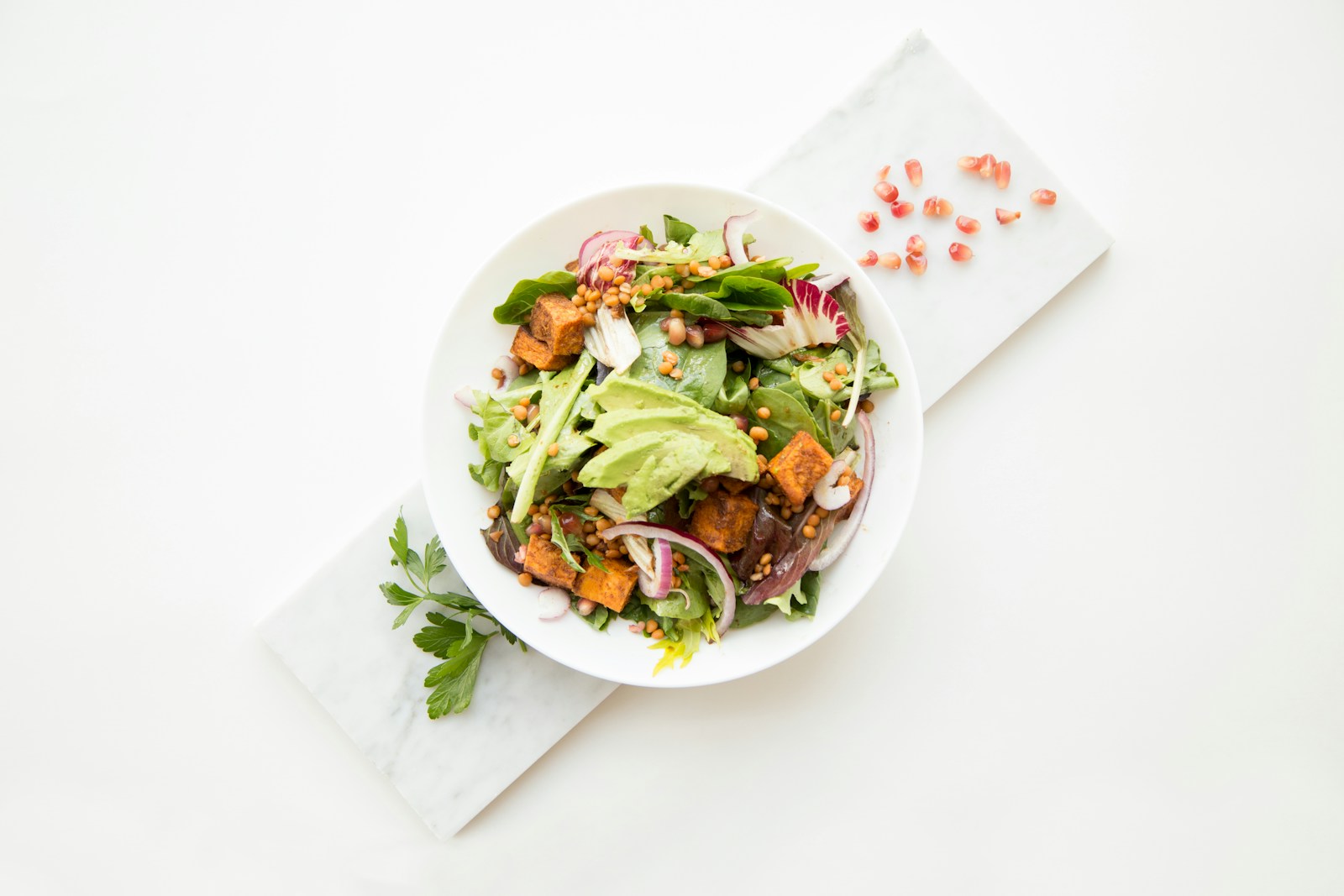
How this framework works.

The Mediterranean Diet is not a strict menu. It is a way to build a better table.

The Mediterranean Diet is not a strict menu. It is a way to build a better table.

A practical Mediterranean Diet hub for olive oil, vegetables, legumes, fish, whole grains, nuts, moderate dairy, limited red meat and sweets, and meals that still feel generous.

01

Start with vegetables, then decide what dinner is.

A Mediterranean plate does not treat vegetables as garnish. Tomatoes, peppers, greens, eggplant, zucchini, fennel, onions, herbs, citrus, and bitter leaves can be roasted, grilled, stewed, shaved, dressed, or folded into grain bowls. The win is volume, color, fiber, and flavor before the protein even arrives.

02

Make olive oil the default fat.

Extra-virgin olive oil is the signature move: used for sauteing, roasting, dressing, finishing beans, glossing fish, and carrying herbs and garlic. It replaces a lot of butter, cream, and processed fats without making the food feel austere.

03

Let legumes carry real meals.

Beans, chickpeas, lentils, and split peas are not side characters here. They become soups, salads, spreads, stews, skillet dinners, and weeknight anchors with olive oil, lemon, herbs, greens, and grains.

04

Choose fish and seafood more often than red meat.

Sardines, salmon, tuna, mackerel, trout, anchovies, mussels, shrimp, and white fish all fit the pattern. The point is not luxury seafood every night; it is making fish a familiar part of the week and letting red meat become occasional.

05

Keep grains whole and useful.

Farro, barley, bulgur, oats, brown rice, whole-grain bread, whole-wheat pasta, and other intact or minimally refined grains bring chew, structure, and staying power. They work best when they are dressed well, salted properly, and paired with vegetables and beans.

06

Use dairy like seasoning, not architecture.

Plain yogurt, labneh, feta, ricotta, aged cheese, and other dairy can belong beautifully in moderate amounts. They add tang, creaminess, salt, and contrast, but the meal should not depend on a blanket of cheese to feel complete.

The working table

Mediterranean Diet should look like food first: color, texture, heat, acid, herbs, and something worth sharing.

Olive oil, tomatoes, bread, herbs, and shared Mediterranean plates on a table

What the plate asks for.

Market vegetables, herbs, citrus, and fruit arranged in warm lightBuild from what is abundant, not from what is missing.

Lean into.

  • Vegetables and fruitLeafy greens, tomatoes, peppers, zucchini, eggplant, mushrooms, onions, citrus, berries, figs, apples, grapes, and whatever looks alive at the market.
  • LegumesChickpeas, lentils, white beans, favas, black-eyed peas, split peas, hummus, bean salads, and brothy bean pots.
  • Whole grainsFarro, barley, bulgur, oats, brown rice, whole-grain bread, whole-wheat pasta, and grain salads built for leftovers.
  • Olive oil, nuts, and seedsExtra-virgin olive oil, walnuts, almonds, pistachios, pine nuts, sesame, tahini, pumpkin seeds, and sunflower seeds.
  • Fish and seafoodEspecially oily fish such as sardines, salmon, mackerel, trout, anchovies, and tuna, plus shellfish and simple white fish dinners.
  • Herbs, spices, vinegar, and citrusParsley, dill, mint, basil, oregano, thyme, cumin, coriander, paprika, lemon, orange, red wine vinegar, and sherry vinegar make the pattern craveable.

Handle carefully.

  • Red and processed meatsKeep beef, lamb, pork, sausage, bacon, and cured meats occasional rather than central. When you use them, make the portion smaller and the vegetables louder.
  • Sweets and sweet drinksDessert is not banned, but the everyday sweet should be fruit, yogurt, nuts, or a small square of something excellent rather than a constant stream of sugar.
  • Refined grains as the defaultWhite bread, white pasta, crackers, and pastries can appear, but they should not do all the work of the week.
  • Butter, cream, and heavy saucesUse them when they truly earn the dish. For daily cooking, olive oil, yogurt, tahini, lemon, herbs, and pan juices usually give more brightness.
  • Wine as a health strategyIf you are an adult who already drinks and it is appropriate for you, wine may be taken modestly with food. If you do not drink, the Mediterranean Diet is not a reason to start.

A Mediterranean Diet sample day in practice.

Portions depend on appetite, goals, and medical needs. This is a cooking rhythm, not a prescription.

Simple fish with lemon, herbs, and olive oilA day should feel cooked, not calculated.
Breakfast

Greek yogurt with fruit, walnuts, and olive-oil toast

Plain yogurt, berries or sliced stone fruit, a few walnuts, and whole-grain toast rubbed with tomato or drizzled with olive oil.

Lunch

Chickpea, cucumber, tomato, and herb salad

Chickpeas, chopped vegetables, parsley, mint, lemon, olive oil, and a small crumble of feta, served with whole-grain bread or farro.

Snack

Fruit, nuts, or vegetables with hummus

An apple with almonds, carrots and hummus, or a small bowl of olives with sliced vegetables when the afternoon needs salt and crunch.

Dinner

Fish with roasted vegetables and a whole grain

Salmon, sardines, trout, or white fish with roasted peppers, onions, zucchini, or greens, plus barley, bulgur, brown rice, or potatoes dressed with olive oil and herbs.

Dessert

Citrus, figs, or a small sweet

Fruit is the everyday close. A small piece of dark chocolate or a shared pastry can fit when it feels intentional, not automatic.

High-intent recipe paths.

Search path

Lemony chickpea salad with herbs

A no-cook lunch that proves beans can be bright, crisp, and genuinely satisfying.

chickpea salad lemon parsley cucumber tomato olive oil
Search path

Sardines on whole-grain toast

Fast, inexpensive, rich in flavor, and exactly the kind of pantry meal the pattern rewards.

sardines toast tomato lemon olive oil herbs
Search path

Farro bowl with roasted vegetables

Chewy grain, caramelized vegetables, a little cheese, and a dressing sharp enough to wake up leftovers.

farro roasted vegetables feta herbs olive oil
Search path

Brothy white beans with greens

A pot of beans that can become dinner, toast topping, lunch, or side dish without feeling repetitive.

white beans greens garlic olive oil lemon soup
Search path

Grilled fish with tomato cucumber salad

Simple fish, sharp salad, and enough olive oil to make the plate feel finished.

grilled fish tomato cucumber salad lemon olive oil
Search path

Greek yogurt with fruit and walnuts

A breakfast or dessert that keeps sweetness measured and texture interesting.

Greek yogurt fruit walnuts honey Mediterranean breakfast

Myths to correct.

Myth vs fact

"Mediterranean Diet means Italian food every night."

Italian food can fit, but the pattern is broader than pasta and pizza. It has room for Greek beans, Spanish seafood, Middle Eastern salads, North African spices, Provencal vegetables, and plenty of nontraditional weeknight adaptations.

Myth vs fact

"You have to buy expensive specialty ingredients."

A very good version can be built from canned beans, frozen vegetables, tinned fish, oats, brown rice, cabbage, carrots, eggs, yogurt, nuts, herbs, lemon, and one bottle of olive oil you actually like.

Myth vs fact

"Olive oil makes it unlimited."

Olive oil is central, but it is still an energy-dense food. Use it intentionally: enough to make vegetables, grains, and beans delicious, not so much that it turns every meal heavy.

Myth vs fact

"Mediterranean meals are always light."

They can be hearty: lentil soup, bean stews, grilled fish, roasted potatoes, grain salads, yogurt sauces, and olive-oil cakes all belong. The pattern is balanced, not fragile.

Myth vs fact

"Red meat is forbidden."

It is limited, not erased. The Mediterranean move is to make red meat occasional, smaller, and surrounded by vegetables, beans, herbs, and grains.

Questions readers bring.

01
Is the Mediterranean Diet actually healthy?

It is widely studied as a heart-supportive eating pattern because it emphasizes minimally processed plant foods, olive oil, nuts, legumes, whole grains, and fish while limiting added sugars, refined carbohydrates, and processed meats. That does not make it a cure or a personal medical plan.

02
Do I have to eat fish?

Fish is a classic part of the pattern, especially oily fish, but the broader logic can still be useful if you eat mostly vegetarian: lean harder on beans, lentils, tofu if it fits your table, nuts, seeds, olive oil, whole grains, and vegetables. For strict vegetarian or vegan versions, pay attention to nutrients such as B12, iron, iodine, calcium, vitamin D, and omega-3 fats.

03
Is pasta allowed on the Mediterranean Diet?

Yes. The better question is what surrounds it. A Mediterranean-style pasta is often a modest portion with vegetables, beans, seafood, olive oil, herbs, tomato, greens, or a little cheese, not a giant bowl carried by cream and meat.

04
Can I eat cheese?

Yes, in moderation. Feta, pecorino, ricotta, yogurt, and labneh can add salt, tang, and satisfaction. The pattern works best when cheese accents vegetables, beans, grains, or fish rather than replacing them.

05
Is wine required?

No. Wine is not required, and it is not a wellness assignment. Adults who already drink and can do so safely may choose a modest pour with a meal. Anyone avoiding alcohol should continue avoiding it.

06
How is this different from just cooking Mediterranean food?

Mediterranean cuisine is a wide world of regional dishes. The Mediterranean Diet is a flexible eating pattern inspired by some traditional habits in the region: plant-forward meals, olive oil, legumes, whole grains, fish, nuts, herbs, and limited red meat and sweets.

Where it connects.

Kitchen boundary.

This page is for general cooking and educational use. It is not medical advice, diagnosis, or treatment. Nutrition needs vary by age, health history, medications, allergies, pregnancy, activity, culture, budget, and personal goals. Work with a qualified clinician or registered dietitian for individual guidance, and avoid alcohol if you do not already drink or if alcohol is unsafe for you.