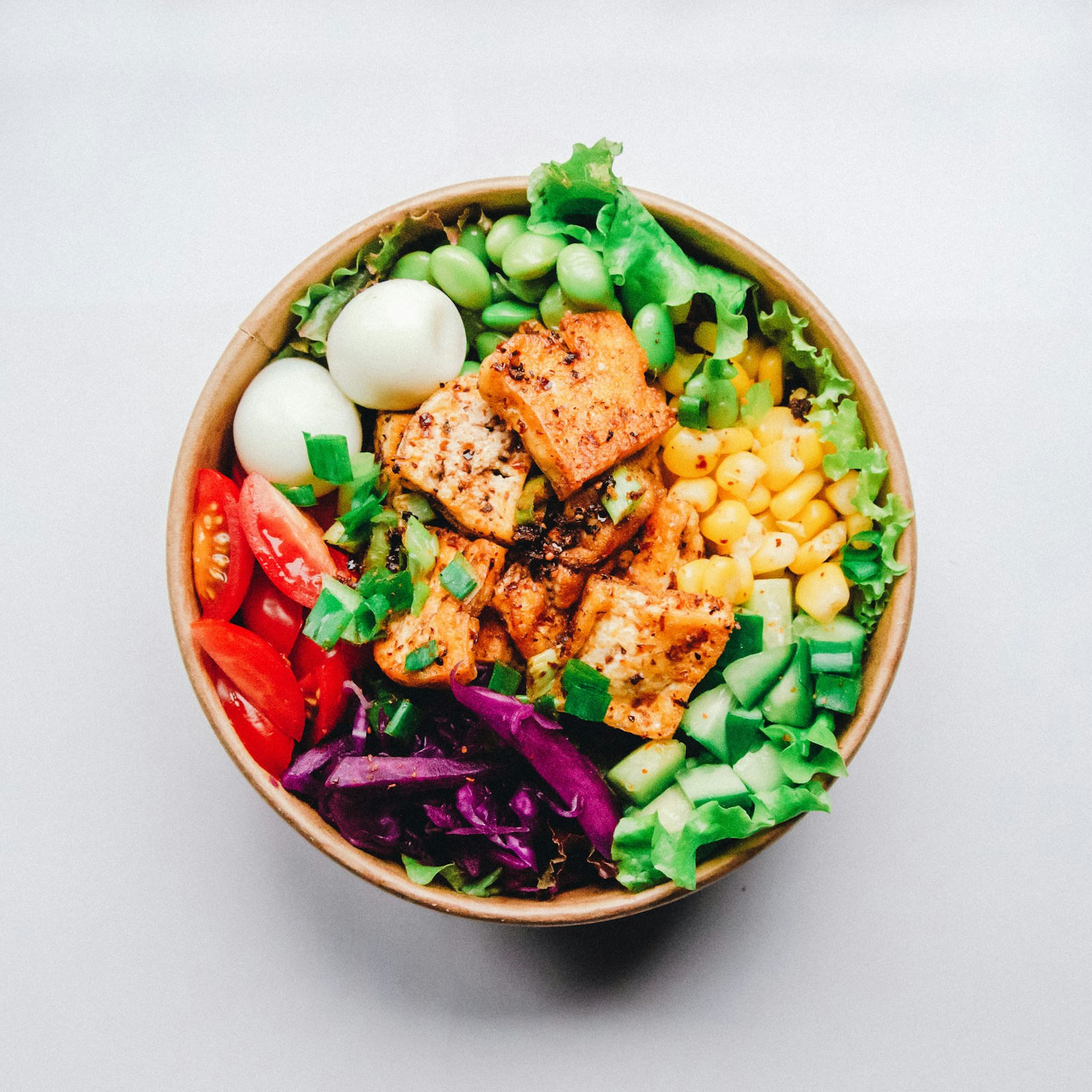
The useful version starts with the hard boundary: no wheat, rye, barley, or ingredients made from them. From there, the kitchen opens up: rice, corn, potatoes, beans, lentils, quinoa, buckwheat, millet, sorghum, certified oats, vegetables, fruit, eggs, dairy if tolerated, meat, fish, tofu, sauces, and baking built with structure instead of wishful thinking.
Gluten-free means avoiding gluten-containing grains, especially wheat, rye, and barley. That includes obvious foods such as regular bread, pasta, pizza, crackers, flour tortillas, cakes, cookies, and beer, plus less obvious ingredients in soy sauce, broths, spice blends, marinades, sauces, fried foods, malt, and packaged foods.
The stakes are not the same for everyone. For someone with celiac disease, gluten-free eating requires strict avoidance and careful cross-contact control because even small amounts can matter. For someone avoiding gluten by preference or because they feel better without it, the kitchen may be more flexible, but labels, restaurants, and shared equipment still deserve honest attention.
Gluten-free is not carb-free, grain-free, or automatically healthier. Rice, corn, potatoes, tapioca, oats when certified gluten-free, and many starches can all be gluten-free. The goal is not to remove comfort. It is to rebuild meals, bread, pizza, pasta, and baking with ingredients that work for the reason you are cooking this way.
Use it for Gluten-free cooking is a precision kitchen, not a carb-free diet.