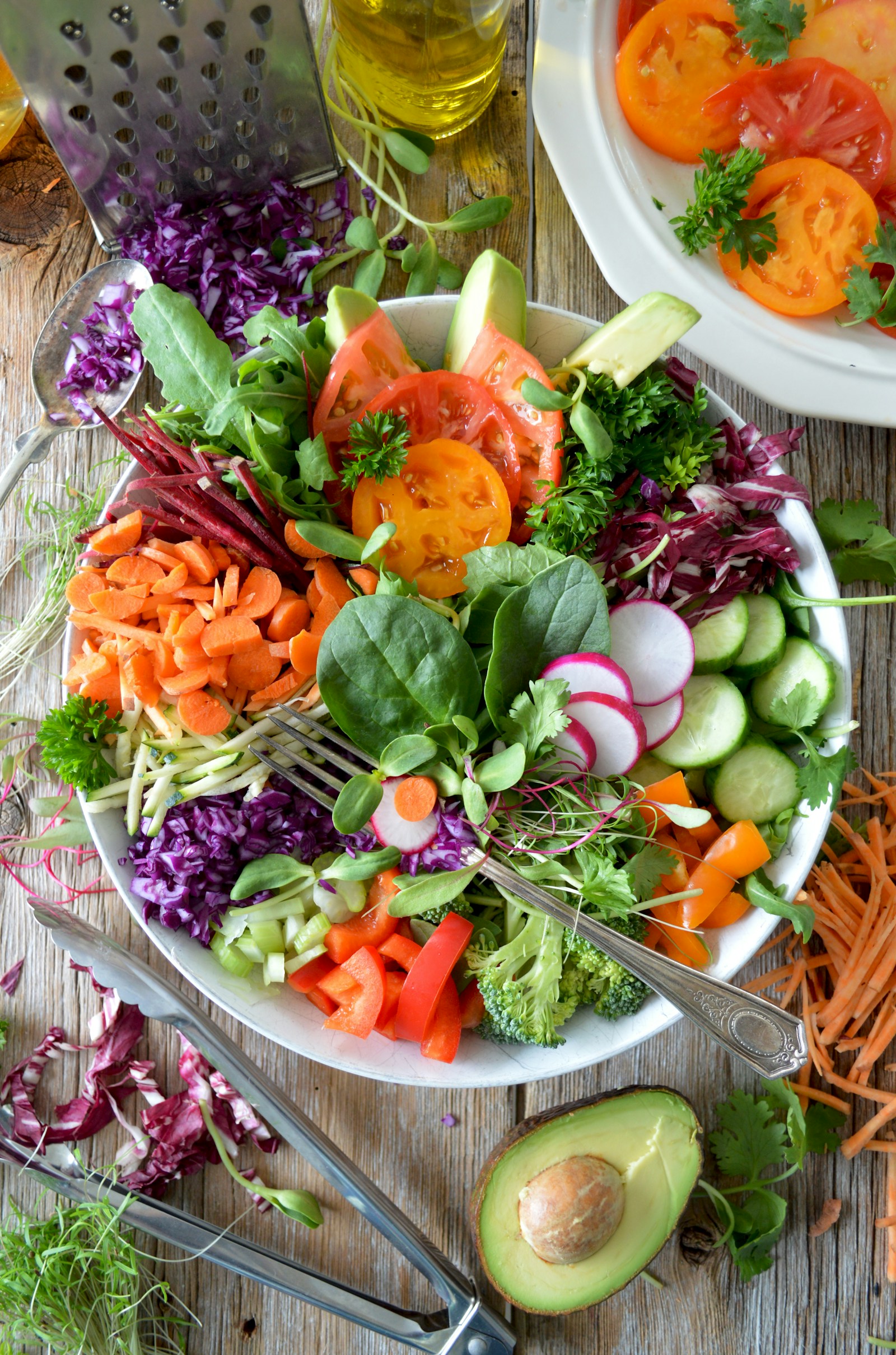
A generous plant-based table with vegetables, grains, beans, fruit, herbs, nuts, seeds, and colorful shared dishes
Dietary guide
Food EditionDietary
Framework hub
Plant-Based
Dietary framework

Plant-Based hub.

The best version starts by asking what plants can carry: beans made creamy, vegetables roasted hard, grains cooked for chew, fruit used with season, nuts and seeds turned into crunch or sauce, tofu and tempeh treated as real ingredients, and animal foods used occasionally or not at all depending on the table. It is flexible, but it still needs intention.

Plant-based eating puts vegetables, legumes, whole grains, fruit, nuts, seeds, herbs, spices, and plant proteins at the center of the plate. It does not have one strict rulebook. Some households eat fully plant-only. Some include eggs, dairy, fish, poultry, or meat occasionally. The defining move is that plants do most of the daily work.

That flexibility is the point, but it can also make the phrase vague. A strong plant-based kitchen is not just salad plus good intentions. It needs anchors: beans, lentils, tofu, tempeh, grains, potatoes, nuts, seeds, substantial sauces, and vegetables cooked with enough seasoning, fat, acid, and texture to feel like dinner.

Use this hub as a cooking guide, not a medical promise. Plant-based meals can be colorful, satisfying, and nutrient-dense, but the label itself does not guarantee anything. The difference is in the pattern: more minimally processed plants, more fiber-rich staples, more pantry strategy, and less reliance on animal foods or highly processed shortcuts as the default.

Use it for Plant-based eating is a center of gravity, not a locked door.
How this framework works.

Plant-based eating is a center of gravity, not a locked door.

Plant-based eating is a center of gravity, not a locked door.

A practical plant-based hub for vegetables, legumes, whole grains, nuts, seeds, fruit, tofu, tempeh, plant proteins, flexible animal foods if your household uses them, pantry strategy, and meals built around plants without turning dinner into a medical claim or purity test.

01

Make plants the default architecture.

Start with vegetables, beans, lentils, grains, potatoes, fruit, nuts, seeds, herbs, and sauces, then decide whether the meal needs tofu, tempeh, eggs, yogurt, fish, chicken, cheese, or none of the above. Plant-based does not mean animal foods can never appear; it means they stop being the automatic center.

02

Build every meal around an anchor.

A beautiful vegetable plate still needs staying power. Use beans, lentils, chickpeas, tofu, tempeh, edamame, seitan, nuts, seeds, whole grains, potatoes, or, if your household uses them, eggs, yogurt, fish, or poultry. Once the anchor is chosen, the rest of the plate becomes easier to compose.

03

Treat vegetables as main characters.

Roast cauliflower until the edges brown, char cabbage, blister green beans, braise greens with garlic, grill zucchini, sear mushrooms until their water cooks off, and dress raw vegetables with salt, citrus, vinegar, herbs, and good fat. Plant-based cooking gets memorable when vegetables are cooked with conviction.

04

Let legumes do the slow, generous work.

Beans, lentils, chickpeas, split peas, and dal make plant-based eating affordable, satisfying, and meal-prep friendly. Cook a pot with aromatics, salt it properly, finish with olive oil, tahini, yogurt, herbs, chile oil, vinegar, or lemon, and it can become bowls, soups, toast, tacos, salads, pasta, or freezer backup.

05

Keep whole grains and starches useful.

Oats, brown rice, farro, barley, quinoa, millet, buckwheat, whole-wheat pasta, corn tortillas, potatoes, sweet potatoes, and good bread give plant-based meals structure. They catch sauces, carry leftovers, soften bitter greens, and make vegetables feel like a meal instead of a side course.

06

Use nuts and seeds as more than garnish.

Tahini, peanut butter, almond butter, cashews, walnuts, pistachios, pumpkin seeds, sunflower seeds, sesame, chia, hemp, and ground flax bring fat, crunch, protein, minerals, and sauce potential. Blend them, toast them, grind them, or use them as the final texture that makes the plate feel finished.

07

Stock a pantry that makes plants easy.

Canned beans, lentils, canned tomatoes, oats, rice, pasta, tortillas, frozen vegetables, frozen fruit, nut butter, tahini, miso, soy sauce, vinegars, spices, olive oil, seeds, broth, and a few dependable plant proteins can turn produce into dinner quickly. The pantry is what keeps plant-based eating from becoming a daily negotiation.

What the plate asks for.

Lean into.

  • Vegetables with real techniqueLeafy greens, cabbage, cauliflower, broccoli, carrots, squash, mushrooms, tomatoes, peppers, onions, garlic, herbs, and whatever is seasonal, cooked or dressed with enough salt, fat, acid, heat, and texture to lead the plate.
  • Legumes as weekly staplesLentils, chickpeas, black beans, white beans, pintos, kidney beans, split peas, dal, hummus, bean salads, brothy pots, refried beans, and freezer-ready soups or stews.
  • Whole grains and grounding starchesOats, brown rice, farro, barley, quinoa, millet, buckwheat, whole-grain bread, whole-wheat pasta, corn tortillas, potatoes, sweet potatoes, and grain salads built for leftovers.
  • Plant proteinsTofu, tempeh, edamame, soy milk, seitan, soy curls, lentil pasta, bean-based dishes, nut and seed butters, and simple protein anchors that can take bold seasoning.
  • Fruit, nuts, and seedsCitrus, berries, apples, pears, stone fruit, bananas, dates, walnuts, almonds, pistachios, cashews, peanuts, sesame, tahini, pumpkin seeds, sunflower seeds, chia, hemp, and ground flax.
  • Flavor buildersMiso, soy sauce, tamari, tomato paste, vinegars, pickles, fermented vegetables, nutritional yeast, chile pastes, curry pastes, spices, herbs, citrus, mustard, olive oil, and sauces that make plants craveable.

Handle carefully.

  • Animal foods as the automatic centerIf your household uses eggs, dairy, fish, poultry, or meat, they can still appear. The plant-based shift is to make them occasional accents or smaller anchors rather than the organizing principle of every meal.
  • Meals with no substanceA plate of vegetables, fruit, or greens can be beautiful but may not be enough. Add beans, lentils, tofu, tempeh, grains, potatoes, nuts, seeds, sauce, or another anchor so the meal lasts.
  • Ultra-processed plant-based defaultsPlant-based burgers, nuggets, cheeses, frozen meals, sweets, and snack foods can be convenient. They work best as tools for busy days, not as the whole identity of the kitchen.
  • All-or-nothing thinkingPlant-based eating is often most useful when it is repeatable. One meal with fish, yogurt, or eggs does not erase a plants-first pattern, and one vegetable side does not create one. Look at the week, not a single plate.
  • Health claims without the cooking to back them upThe phrase plant-based is not a medical treatment, guarantee, or shortcut. A pattern built on beans, grains, vegetables, fruit, nuts, seeds, and mostly minimally processed foods is different from a day built on refined snacks with a plant-based label.

A plant-based sample day in practice.

Portions depend on appetite, goals, age, activity, culture, budget, and medical needs. This is a cooking rhythm, not a prescription.

Breakfast

Oats with fruit, seeds, and nut butter

Rolled oats cooked with milk or fortified plant milk, topped with berries or sliced banana, ground flax or chia, walnuts, and a spoon of peanut or almond butter.

Lunch

Chickpea and farro bowl with roasted vegetables

Chickpeas, farro or brown rice, roasted carrots or cauliflower, greens, herbs, pickled onions, toasted seeds, and a lemon-tahini or yogurt-herb sauce depending on your table.

Snack

Fruit, hummus, or edamame

An orange with almonds, apple with peanut butter, vegetables with hummus, or edamame with flaky salt when the day needs something practical and satisfying.

Dinner

Tofu, lentils, or fish with greens and grains

Crispy tofu with broccoli and rice, lentils with greens and olive oil, or a smaller piece of fish beside beans, vegetables, and potatoes if your household includes seafood.

Dessert

Fruit, dark chocolate, or a simple bake

Roasted fruit, citrus with pistachios, a square of dark chocolate, or a not-too-sweet muffin, crumble, or olive-oil cake when dessert belongs in the day.

High-intent recipe paths.

Search path

Brothy beans with greens and lemon

A generous pot of beans that can become dinner, lunch, toast topping, or freezer backup with almost no reinvention.

plant based brothy beans greens lemon olive oil
Search path

Crispy tofu grain bowls

Crisp tofu, chewy grains, roasted vegetables, herbs, pickles, and tahini sauce for the kind of bowl that earns its keep.

plant based crispy tofu grain bowl roasted vegetables tahini
Search path

Lentil and mushroom pasta

Mushrooms, tomato paste, lentils, garlic, and herbs build a sauce with depth instead of leaning on meat.

plant based lentil mushroom pasta tomato sauce
Search path

Roasted vegetable and chickpea sheet pan

Chickpeas, seasonal vegetables, spices, olive oil, and a sharp sauce make a low-effort dinner that still feels composed.

plant based roasted vegetables chickpeas sheet pan dinner
Search path

Peanut noodles with cabbage and herbs

Noodles, shredded cabbage, herbs, tofu or edamame, and a peanut-lime sauce built for leftovers and fast lunches.

plant based peanut noodles cabbage herbs tofu
Search path

Farro salad with fruit, nuts, and greens

Chewy grain, bitter greens, seasonal fruit, toasted nuts, and a bright vinaigrette that can sit happily in the fridge.

plant based farro salad fruit nuts greens vinaigrette
Search path

Black bean tacos with cabbage and avocado

Beans, tortillas, crunchy cabbage, salsa, avocado, and lime keep the meal inexpensive, fast, and properly satisfying.

plant based black bean tacos cabbage avocado salsa
Search path

Vegetable curry with lentils or tofu

A flexible curry template for vegetables, lentils or tofu, rice, herbs, and enough spice to make the pot feel deliberate.

plant based vegetable curry lentils tofu coconut milk

Myths to correct.

Myth vs fact

"Plant-based means vegan."

Sometimes it does, but not always. Vegan is a clear animal-free commitment. Plant-based is a plants-first eating pattern that can be strict or flexible depending on the household.

Myth vs fact

"A plant-based meal is just vegetables."

Vegetables matter, but the meal needs architecture: beans, lentils, tofu, tempeh, grains, potatoes, nuts, seeds, sauce, fat, acid, herbs, and texture. Otherwise it may be colorful and still leave everyone hungry.

Myth vs fact

"You need specialty substitutes to do it well."

A strong plant-based pantry can be built from beans, lentils, oats, rice, pasta, potatoes, cabbage, carrots, frozen vegetables, fruit, tofu, peanut butter, tahini, canned tomatoes, spices, and a few sauces.

Myth vs fact

"Plant-based food has to taste virtuous."

It should taste like food first: roasted, charred, creamy, crunchy, salty, bright, spicy, herby, smoky, or deeply savory. Pleasure is what makes the pattern repeatable.

Myth vs fact

"If you eat one animal food, the whole pattern fails."

Plant-based is usually measured by the pattern, not a single bite. If most meals are built around vegetables, legumes, grains, fruit, nuts, seeds, and plant proteins, occasional animal foods do not erase the center of gravity.

Questions readers bring.

01
What does plant-based actually mean?

Plant-based means plants are the foundation: vegetables, legumes, whole grains, fruit, nuts, seeds, herbs, spices, and plant proteins. It can be fully plant-only, but it can also be flexible, with occasional eggs, dairy, fish, poultry, or meat depending on the household. The common thread is plants first, not animal foods first.

02
How is plant-based different from vegan?

Vegan eating excludes meat, fish, dairy, eggs, honey, and other animal-derived foods. Plant-based eating describes a plants-first food pattern and may or may not be fully vegan. If you want the strict animal-free framework, use the Vegan hub. If you want a flexible pattern centered on plants, this hub is the better fit.

03
How is it different from vegetarian?

Vegetarian eating excludes meat and fish but often includes eggs and dairy. Plant-based eating is less about a single exclusion rule and more about what leads the plate. A vegetarian meal can be plant-based, but a plant-based household might occasionally include seafood, poultry, or meat in small amounts.

04
How is it different from the Mediterranean Diet?

The Mediterranean Diet is a specific, evidence-aware pattern built around vegetables, legumes, whole grains, olive oil, nuts, fish, herbs, and moderate dairy, with limited red meat and sweets. Plant-based eating is broader. It can borrow Mediterranean habits, but it also fits many other cuisines, budgets, and household rules.

05
Can plant-based eating include animal products?

Yes, for many people. Eggs, yogurt, cheese, fish, poultry, or meat can appear occasionally if that is how the household eats. The practical question is whether plants are carrying most meals across the week: vegetables, beans, grains, fruit, nuts, seeds, and plant proteins.

06
How do I get enough protein?

Choose an anchor most times you eat: beans, lentils, chickpeas, tofu, tempeh, edamame, seitan, soy milk, nuts, seeds, whole grains, or, if you use them, eggs, yogurt, fish, poultry, or meat. Plant-based meals work better when protein is planned instead of assumed.

07
Is plant-based automatically healthier?

No. A plant-based label can describe a bowl of lentils, greens, grains, and tahini, or a day of refined snacks and sweet drinks. The pattern matters more than the branding. For personal nutrition guidance, especially with medical conditions, pregnancy, children, or supplements, work with a qualified clinician or registered dietitian.

Where it connects.

Kitchen boundary.

This page is for general cooking and educational use. It is not medical advice, diagnosis, treatment, or a promise that plant-based eating will prevent or cure any condition. Nutrition needs vary by age, health history, medications, allergies, pregnancy, activity, culture, budget, and personal goals. If you eat fully or mostly plant-only, pay deliberate attention to vitamin B12, protein, iron, calcium, vitamin D, iodine, omega-3 fats, and total energy intake. Work with a qualified clinician or registered dietitian for individual guidance.