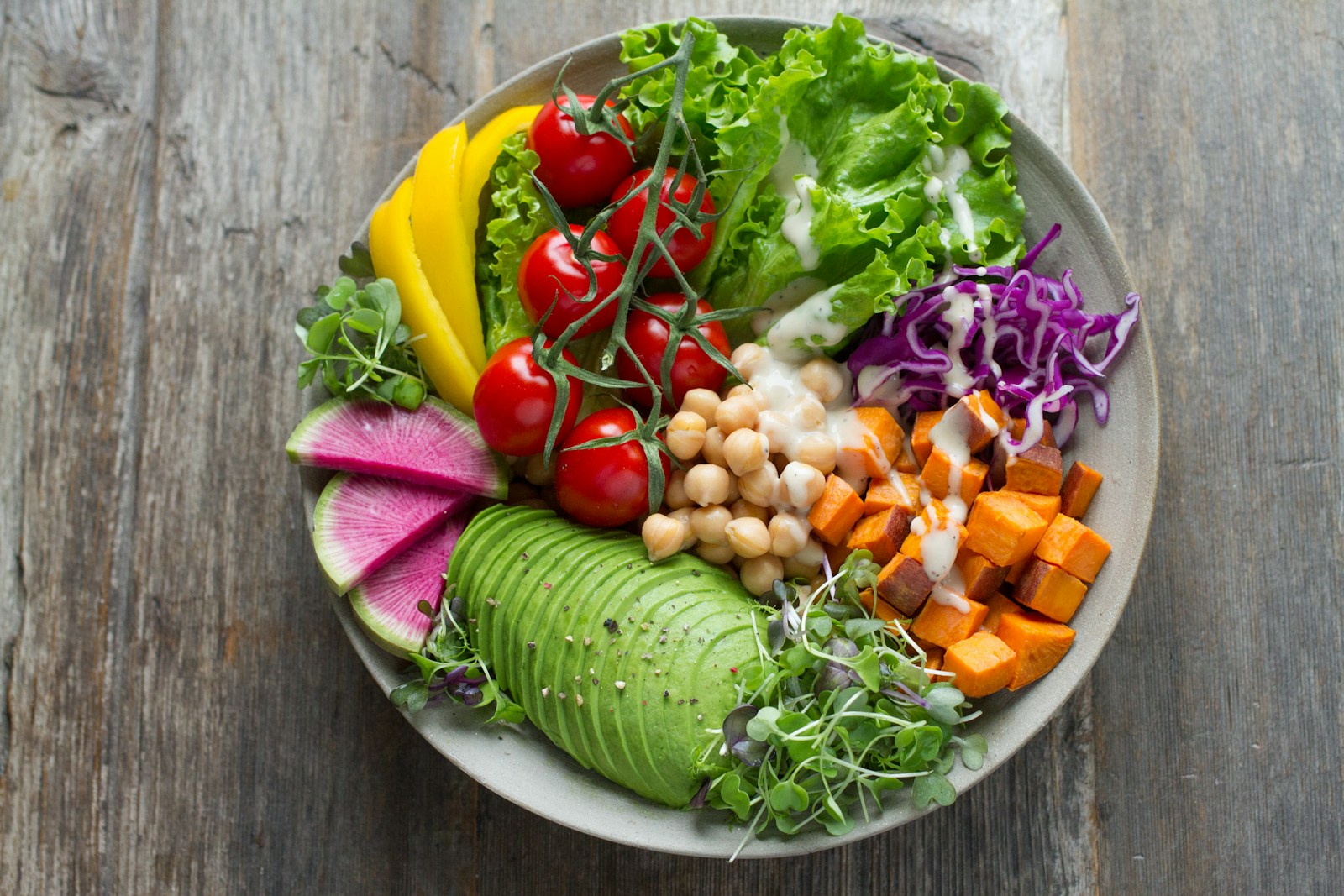
A generous vegan table with vegetables, grains, beans, herbs, sauces, nuts, seeds, and plant-based dishes
Dietary guide
Food EditionDietary
Framework hub
Vegan
Dietary framework

Vegan hub.

The strongest vegan food has its own architecture: beans cooked until creamy, tofu seared hard, tempeh glazed, seitan sliced thin, grains with chew, vegetables roasted deeply, nuts and seeds turned into sauce, plant milks chosen for purpose, nutritional yeast used for savoriness, and aquafaba, starch, flax, fruit, and fat doing the structural work in baking.

Vegan cooking leaves out meat, fish, dairy, eggs, and honey, but the better way to understand it is by what comes forward: legumes, vegetables, grains, soy foods, nuts, seeds, mushrooms, seaweed, spices, fermented ingredients, fruit, good bread, and sauces that carry richness without cream.

It can be thrifty or luxurious, quick or slow, pantry-driven or produce-led. A strong vegan plate usually needs an anchor, a starch, vegetables, fat, acid, texture, and some form of umami. If one of those is missing, the meal may taste unfinished even when every ingredient is technically correct.

Use this hub as a cooking guide, not a purity test or medical plan. Vegan eating can be satisfying and nutrient-dense, but some details deserve deliberate attention: protein, vitamin B12, iron, calcium, vitamin D, iodine, omega-3 fats, and enough overall energy, especially for children, pregnancy, athletes, older adults, and anyone managing a medical condition.

Use it for Vegan cooking works best when it is built as a real kitchen, not a list of swaps.
How this framework works.

Vegan cooking works best when it is built as a real kitchen, not a list of swaps.

Vegan cooking works best when it is built as a real kitchen, not a list of swaps.

A practical vegan hub for legumes, tofu, tempeh, seitan, grains, nuts, seeds, plant milks, aquafaba, nutritional yeast, umami, dairy-free creaminess, egg-free baking structure, and smart attention to protein, B12, iron, calcium, and omega-3 fats.

01

Make legumes the house foundation.

Beans, lentils, chickpeas, split peas, and dal are the center of the vegan pantry because they bring protein, fiber, body, and comfort. Cook them with aromatics, salt them properly, finish with olive oil, chile oil, tahini, coconut milk, herbs, vinegar, or citrus, and they become dinner instead of a side.

02

Learn tofu, tempeh, and seitan as techniques.

Tofu wants contrast: press or pat it dry, season it boldly, then sear, roast, crumble, braise, or blend it into creamy fillings. Tempeh likes steam, marinade, glaze, and crisp edges. Seitan brings chew and sliceable protein when you want sandwiches, stir-fries, stews, or a centerpiece with real bite.

03

Build creaminess without dairy.

Cashews, almonds, tahini, peanut butter, coconut milk, silken tofu, white beans, potatoes, oat milk, soy milk, olive oil, and emulsified dressings can all create richness. The trick is choosing the right creaminess: nutty tahini for bowls, silken tofu for sauces, cashews for silky blends, coconut for curries, and beans for soups that feel slow-cooked.

04

Chase umami like a cook.

Vegan food gets depth from browning, roasting, fermentation, and reduction. Use mushrooms, tomato paste, miso, soy sauce, tamari, nutritional yeast, seaweed, smoked paprika, caramelized onions, roasted garlic, fermented vegetables, black vinegar, chile crisp, toasted sesame, and properly reduced stocks or pan sauces.

05

Bake for structure, not imitation.

Egg-free baking succeeds when you know what the egg was doing. Aquafaba can foam and lighten, flax or chia gels can bind, applesauce and mashed banana add moisture, starches help tenderness, baking powder and soda lift, and enough fat keeps cakes, muffins, cookies, and quick breads from tasting lean.

06

Use grains and starches as architecture.

Rice, oats, quinoa, barley, farro, millet, buckwheat, corn, potatoes, sweet potatoes, noodles, pasta, tortillas, and good bread make vegan meals feel complete. Pair them with legumes or soy foods, vegetables, sauce, and crunch so the plate has shape instead of becoming a pile of vegetables.

07

Plan the nutrients that plants do not hand you automatically.

Protein can be straightforward when meals include legumes, soy foods, seitan, nuts, seeds, and whole grains. Vitamin B12 needs fortified foods or supplementation. Iron works better with vitamin C. Calcium can come from fortified plant milks, calcium-set tofu, greens, tahini, and fortified foods. Omega-3 awareness means flax, chia, hemp, walnuts, and, for some people, algae-based DHA or EPA.

What the plate asks for.

Lean into.

  • Legumes every wayLentils, chickpeas, black beans, white beans, kidney beans, pintos, split peas, dal, hummus, refried beans, bean soups, stews, salads, and freezer-ready brothy pots.
  • Soy foods and seitanFirm tofu, silken tofu, tempeh, edamame, soy milk, soy curls, and seitan for protein, texture, and meals that can take aggressive seasoning.
  • Whole grains and useful starchesOats, brown rice, quinoa, barley, farro, millet, buckwheat, whole-wheat pasta, corn tortillas, potatoes, sweet potatoes, noodles, and good bread.
  • Nuts, seeds, and their buttersTahini, peanut butter, almond butter, cashews, walnuts, pistachios, almonds, pumpkin seeds, sunflower seeds, sesame, hemp, chia, and ground flax for fat, crunch, sauces, and omega-3 support.
  • Vegetables, fruit, herbs, and aromaticsLeafy greens, mushrooms, tomatoes, peppers, squash, cabbage, cauliflower, broccoli, carrots, onions, garlic, ginger, citrus, berries, apples, herbs, and whatever produce gives the plate color and movement.
  • Fortified and flavor-building ingredientsFortified plant milks, fortified nutritional yeast when available, calcium-set tofu, miso, soy sauce, tamari, vinegars, pickles, seaweed, spices, chile pastes, and fermented vegetables.

Handle carefully.

  • Meals with no anchorA plate of vegetables can be beautiful, but most vegan meals need a protein or starch that carries them: beans, lentils, tofu, tempeh, seitan, grains, potatoes, nuts, seeds, or a substantial sauce.
  • Ultra-processed foods as the only planVegan burgers, nuggets, frozen meals, sweets, and convenience snacks can help when life is moving fast. They work best as tools, not the whole kitchen.
  • B12 wishful thinkingUnfortified plant foods are not a dependable source of vitamin B12. Make B12 a deliberate part of the pattern through fortified foods or supplementation with guidance from a qualified professional.
  • Dairy-free products that do not improve the dishVegan cheese, creamers, and yogurts vary wildly. Use them when they taste good and help the food, but do not let a weak substitute replace stronger tools like tahini, cashew cream, silken tofu, beans, olive oil, or nutritional yeast.
  • Iron and calcium left to chanceTea and coffee can interfere with iron absorption when they crowd iron-rich meals, while calcium needs may require fortified foods or calcium-set tofu. Pair iron-rich foods with vitamin C, and treat minerals as something to notice rather than panic over.

A vegan sample day in practice.

Portions depend on appetite, goals, age, activity, and medical needs. This is a cooking rhythm, not a prescription.

Breakfast

Oats with soy milk, berries, flax, and walnuts

Rolled oats cooked with fortified soy milk, berries, ground flax, walnuts, cinnamon, and a spoon of peanut or almond butter when the morning needs more staying power.

Lunch

Lentil bowl with roasted vegetables and tahini

Lentils, brown rice or quinoa, roasted cauliflower or carrots, greens, pickled onions, tahini-lemon sauce, herbs, and toasted seeds for crunch.

Snack

Hummus, fruit, or edamame

Vegetables with hummus, an orange with almonds, apple with peanut butter, or edamame with flaky salt and chile when the afternoon needs protein and texture.

Dinner

Crispy tofu with greens, rice, and miso sauce

Tofu seared until crisp, broccoli or greens cooked hot and fast, rice or noodles, and a sauce with miso, soy, ginger, garlic, sesame, and vinegar.

Dessert

Fruit, dark chocolate, or an egg-free bake

Roasted fruit, a square of dairy-free dark chocolate, or a simple aquafaba cookie, olive-oil cake, or flax-bound muffin when dessert is part of the day.

High-intent recipe paths.

Search path

Crispy tofu with miso sesame sauce

A weeknight tofu dinner built on crisp edges, deep sauce, green vegetables, and rice to catch the glaze.

vegan crispy tofu miso sesame sauce broccoli rice
Search path

Brothy white beans with greens

Beans cooked or warmed with aromatics, greens, olive oil, and lemon until the pot feels generous enough for dinner.

vegan brothy white beans greens garlic lemon olive oil
Search path

Tempeh grain bowls with tahini crunch

Glazed tempeh, chewy grains, roasted vegetables, tahini sauce, herbs, pickles, and seeds for the texture a bowl needs.

vegan tempeh grain bowl tahini roasted vegetables seeds
Search path

Lentil and mushroom ragout

Mushrooms, tomato paste, lentils, herbs, and time make a sauce with depth rather than imitation.

vegan lentil mushroom ragout tomato pasta umami
Search path

Cashew cream pasta with peas and herbs

A dairy-free creamy pasta that works because cashews bring body, nutritional yeast brings savoriness, and lemon keeps it awake.

vegan cashew cream pasta peas herbs nutritional yeast
Search path

Aquafaba chocolate mousse

Chickpea liquid whipped into lift and folded with chocolate for a dessert that proves vegan technique can feel elegant.

vegan aquafaba chocolate mousse dairy free dessert
Search path

Seitan sandwiches with pickles and mustard

Chewy sliced seitan, sharp condiments, crunchy cabbage, and good bread turn the plant-based sandwich into a real meal.

vegan seitan sandwich pickles mustard cabbage
Search path

Flax banana muffins

A practical egg-free bake where flax binds, banana adds moisture, and nuts or seeds keep the crumb interesting.

vegan flax banana muffins egg free baking

Myths to correct.

Myth vs fact

"Vegan food is just regular food with everything removed."

The best vegan cooking is additive: legumes for body, tofu and tempeh for protein, grains for structure, nuts and seeds for richness, nutritional yeast and miso for savoriness, aquafaba and starch for baking, and vegetables cooked with real confidence.

Myth vs fact

"You have to eat expensive specialty products."

A strong vegan pantry can be built from beans, lentils, oats, rice, pasta, potatoes, frozen vegetables, cabbage, carrots, tofu, peanut butter, tahini, canned tomatoes, spices, and fortified plant milk.

Myth vs fact

"Protein is impossible without animal foods."

Protein takes planning, not panic. Soy foods, seitan, beans, lentils, chickpeas, nuts, seeds, and grains can build plenty of satisfying meals when they appear regularly across the day.

Myth vs fact

"Nutritional yeast makes everything taste like cheese."

Nutritional yeast adds savory, nutty depth, especially with salt, acid, fat, and garlic. It is useful in sauces, popcorn, tofu scrambles, crumbs, and dressings, but it works better as one flavor tool than as a cheese costume.

Myth vs fact

"Vegan baking is always dense."

Dense baking usually means the structure was guessed. Aquafaba, flax, starch, leavening, fat, sugar, acidity, hydration, and mixing all matter. Once the role of the egg or dairy is understood, vegan cakes, cookies, muffins, breads, and pies can be excellent.

Questions readers bring.

01
Is a vegan diet healthy?

It can be, especially when it is built around legumes, soy foods, whole grains, vegetables, fruit, nuts, seeds, and minimally processed ingredients. It also requires attention to vitamin B12, iron, calcium, vitamin D, iodine, omega-3 fats, protein, and enough total food. Those details are practical, not moral.

02
How do vegans get enough protein?

Plan a protein anchor most times you eat: lentils, beans, chickpeas, tofu, tempeh, edamame, soy milk, seitan, peanut butter, tahini, nuts, seeds, quinoa, and whole grains all contribute. A vegan meal usually feels stronger when the protein is chosen first and the vegetables, starch, fat, acid, and sauce are built around it.

03
What should I know about vitamin B12?

B12 is the non-negotiable nutrient to plan. Plants are not a reliable source unless they are fortified, and nutritional yeast only counts when it is fortified with B12. Many vegan eaters use fortified foods, supplements, or both, ideally with guidance from a clinician or registered dietitian.

04
How do I make vegan food creamy without dairy?

Use the ingredient that matches the job: cashews for silky sauces, tahini for savory bowls, coconut milk for curries, silken tofu for dressings and desserts, white beans or potatoes for soups, oat milk for gentle sweetness, soy milk for protein, and olive oil for gloss and body.

05
Can vegan baking really work without eggs?

Yes, but the replacement depends on the bake. Aquafaba can whip and lighten meringues, macarons, mousses, and some cakes. Flax or chia gels bind muffins and cookies. Applesauce, banana, pumpkin, and plant yogurt add moisture. Starch, leavening, fat, and mixing technique do the rest.

06
How do I get iron, calcium, and omega-3 fats?

For iron, use lentils, beans, tofu, tempeh, pumpkin seeds, greens, whole grains, and fortified foods with vitamin C from citrus, peppers, tomatoes, berries, or broccoli. For calcium, look to fortified plant milks, calcium-set tofu, tahini, greens, and fortified foods. For omega-3 fats, use ground flax, chia, hemp, walnuts, and consider algae-based DHA or EPA if recommended for your needs.

07
Do I need vegan cheese and meat substitutes?

No. They can be convenient and fun, but the deeper vegan kitchen comes from beans, lentils, tofu, tempeh, seitan, mushrooms, grains, nuts, seeds, vegetables, spices, and sauces. Substitutes are most useful when they solve a specific craving or time problem.

Where it connects.

Kitchen boundary.

This page is for general cooking and educational use. It is not medical advice, diagnosis, or treatment. Nutrition needs vary by age, health history, medications, allergies, pregnancy, activity, culture, budget, and personal goals. Vegan eaters should pay deliberate attention to vitamin B12, protein, iron, calcium, vitamin D, iodine, omega-3 fats, and total energy intake. Work with a qualified clinician or registered dietitian for individual guidance.