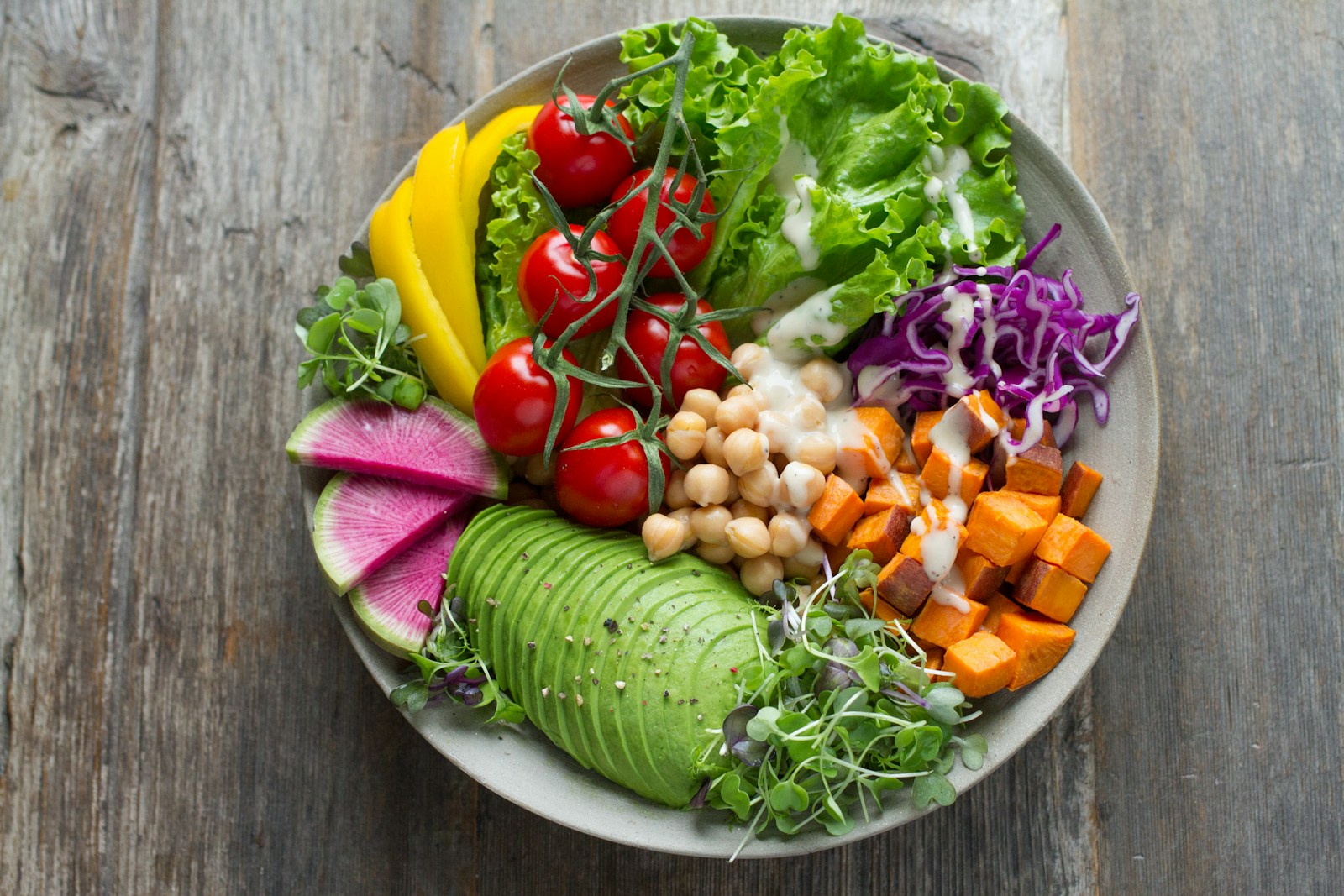
The useful version is not a punishment plate. It is label literacy, smarter pantry habits, cautious use of salty shortcuts, and louder flavor from lemon, vinegar, herbs, spices, browning, heat, crunch, and contrast. Salt gets managed. Dinner still needs to taste like dinner.
Low-sodium cooking means reducing sodium from the whole meal, not just hiding the salt shaker. Most sodium in many eating patterns comes from packaged foods, restaurant meals, breads, broths, condiments, cheeses, cured meats, pickles, sauces, frozen meals, and convenience foods, so the kitchen strategy starts before the pan gets hot.
The goal is not to make food joyless. Salt is powerful because it sharpens flavor, balances bitterness, helps texture, and makes ingredients taste more like themselves. Low-sodium cooking replaces some of that work with acid, herbs, spices, alliums, chile, toasted nuts or seeds, roasted edges, fresh vegetables, fruit, aromatics, and sauces that bring brightness without leaning on sodium.
Use this hub as a cooking guide, not a medical plan. Sodium needs can change with hypertension, heart failure, kidney disease, liver disease, fluid restrictions, diabetes, pregnancy, older age, endurance sweating, and medications such as diuretics, ACE inhibitors, ARBs, potassium-sparing drugs, lithium, and some heart or blood pressure medicines. If sodium has been restricted for a diagnosis, follow your clinician or registered dietitian first.
Use it for Low-sodium cooking is not bland cooking. It is flavor with better architecture.