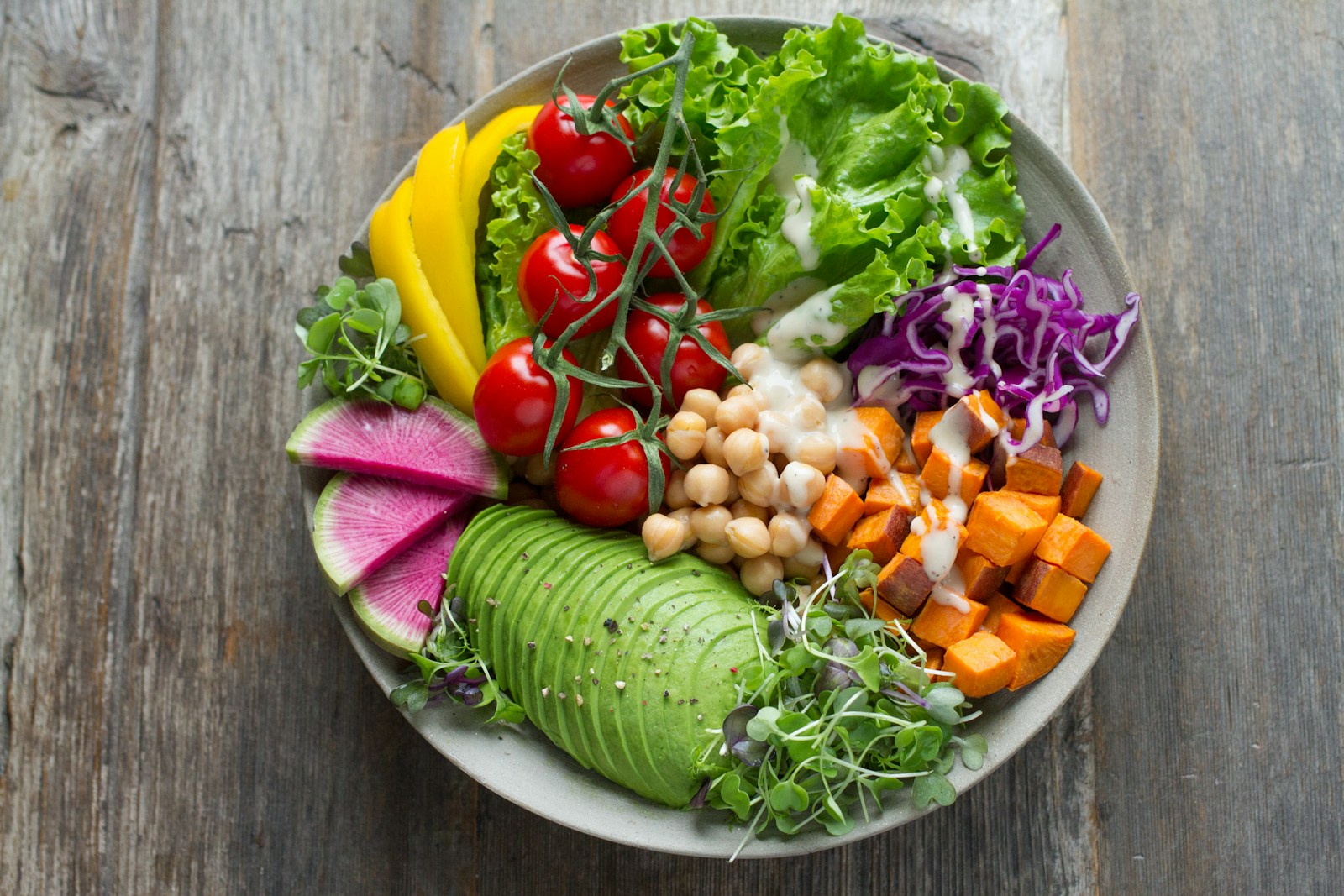
A colorful vegetarian table with vegetables, grains, beans, herbs, and bowls of sauce
Dietary guide
Food EditionDietary
Framework hub
Vegetarian
Dietary framework

Vegetarian hub.

The best vegetarian food is built, not subtracted: beans made creamy, lentils spiced until they bloom, grains cooked for chew, vegetables charred or braised, eggs and dairy used with intention, tofu or tempeh treated like ingredients with texture, and nuts, seeds, herbs, acid, and umami doing the finishing work.

Vegetarian cooking can be simple, luxurious, thrifty, fast, slow, traditional, modern, weekday, or dinner-party serious. The mistake is treating it as a plate with the meat removed. A good vegetarian plate has structure: protein, starch, vegetables, fat, acid, crunch, and a sauce or seasoning strategy that makes the whole thing feel deliberate.

There are many versions of vegetarian eating. Some people eat eggs and dairy. Some avoid one or both. Some cook with tofu, tempeh, seitan, and plant-based proteins often. Others lean almost entirely on beans, lentils, grains, vegetables, nuts, and seeds. This hub keeps the kitchen flexible and names the nutrition details worth noticing without turning dinner into a spreadsheet.

Use this as a cooking guide, not a purity test. Vegetarian food can support many healthy eating patterns, but individual needs vary. Pay particular attention to protein, iron, vitamin B12, calcium, vitamin D, iodine, omega-3 fats, and overall energy intake, especially for children, pregnancy, athletes, older adults, and anyone managing a medical condition.

Use it for Vegetarian cooking is not meatless cooking. It is its own kitchen.
How this framework works.

Vegetarian cooking is not meatless cooking. It is its own kitchen.

Vegetarian cooking is not meatless cooking. It is its own kitchen.

A practical vegetarian hub for beans, lentils, eggs, dairy if you use them, tofu, tempeh, grains, vegetables, nuts, seeds, and meals built on texture, protein, iron, B12 awareness, and real kitchen pleasure.

01

Build around protein, not absence.

Beans, lentils, chickpeas, eggs, yogurt, cottage cheese, paneer, tofu, tempeh, edamame, seitan, nuts, seeds, and higher-protein grains all help a vegetarian meal land with staying power. The goal is not to chase meat. It is to make sure the plate has enough substance to feel like dinner.

02

Treat beans and lentils like a main event.

A pot of black beans, chickpeas, white beans, dal, split peas, or lentils can become soup, stew, salad, toast topping, taco filling, grain bowl, pasta sauce, or freezer backup. Salt them properly, give them aromatics, finish with fat and acid, and they stop tasting like compromise.

03

Use texture as a seasoning.

Vegetarian food needs contrast: crisp edges, creamy centers, chewy grains, juicy vegetables, toasted nuts, seedy crunch, fried shallots, pickles, breadcrumbs, and sauces that cling. Texture is often what makes a meatless meal feel complete rather than soft on soft on soft.

04

Chase umami on purpose.

Mushrooms, tomato paste, miso, soy sauce, tamari, nutritional yeast, aged cheese, browned butter, toasted sesame, seaweed, fermented vegetables, caramelized onions, smoked paprika, and deeply roasted vegetables create savoriness without forcing everything to imitate meat.

05

Let eggs and dairy be tools if they fit your table.

Eggs can anchor breakfast, bind fritters, enrich noodles, or turn leftover vegetables into a frittata. Yogurt, kefir, labneh, cheese, paneer, and milk can add protein, calcium, tang, salt, and creaminess. Use them because they improve the dish, not because every vegetarian meal needs cheese to survive.

06

Cook vegetables with conviction.

Vegetables become satisfying when they are seasoned early, cooked hard enough, and finished brightly. Roast cauliflower until the edges go nutty, char cabbage, blister green beans, braise greens with garlic, sear mushrooms until their water is gone, and dress raw vegetables with enough salt, acid, and fat to make them speak up.

What the plate asks for.

Lean into.

  • Beans, lentils, and peasBlack beans, chickpeas, kidney beans, white beans, pintos, lentils, split peas, dal, hummus, refried beans, bean soups, and brothy pots for the week.
  • Eggs and dairy, if usedEggs, Greek yogurt, cottage cheese, kefir, labneh, ricotta, paneer, feta, aged cheeses, and milk can bring protein, richness, calcium, and useful tang.
  • Soy foods and plant proteinsTofu, tempeh, edamame, soy milk, seitan, and simple plant-based proteins can be excellent when seasoned boldly and cooked for texture.
  • Whole grains and starchesOats, brown rice, farro, barley, quinoa, bulgur, whole-wheat pasta, corn tortillas, potatoes, sweet potatoes, millet, buckwheat, and good bread give meals structure.
  • Vegetables, fruit, herbs, and aromaticsLeafy greens, cruciferous vegetables, mushrooms, tomatoes, peppers, squash, onions, garlic, herbs, citrus, berries, apples, and seasonal produce that can carry a plate visually and nutritionally.
  • Nuts, seeds, and flavor buildersWalnuts, almonds, cashews, pistachios, peanuts, sesame, tahini, pumpkin seeds, sunflower seeds, chia, flax, miso, soy sauce, nutritional yeast, vinegars, pickles, spices, and chile pastes.

Handle carefully.

  • Meals that are only sidesA salad, fries, or a roll may technically be vegetarian, but it will not carry most people through the day. Add beans, eggs, tofu, dairy, nuts, seeds, grains, or another real anchor.
  • Cheese as the entire strategyCheese is useful, delicious, and often welcome. It becomes less useful when it is asked to replace protein, texture, seasoning, and satisfaction all by itself.
  • Highly processed defaultsPlant-based nuggets, burgers, frozen meals, sweet snacks, refined breads, and convenience foods can help in a pinch. They should not be the only way the vegetarian kitchen works.
  • Iron blockers without balanceTea, coffee, and large calcium-heavy additions can reduce absorption of non-heme iron when they crowd an iron-rich meal. Pair beans, lentils, tofu, greens, seeds, and fortified foods with vitamin C from citrus, peppers, tomatoes, or fruit when iron matters.
  • Invisible B12 gapsVitamin B12 is not reliably supplied by plants. If you do not regularly eat dairy, eggs, or fortified foods, talk with a qualified professional about supplementation and labs rather than guessing.

A vegetarian sample day in practice.

Portions depend on appetite, goals, age, activity, and medical needs. This is a cooking rhythm, not a prescription.

Breakfast

Savory yogurt bowl with eggs or chickpeas

Greek yogurt or labneh with olive oil, cucumber, herbs, toasted seeds, and either a jammy egg or spiced chickpeas, served with whole-grain toast.

Lunch

Lentil grain bowl with roasted vegetables

Lentils, farro or brown rice, roasted carrots or cauliflower, greens, pickled onions, tahini-lemon sauce, and toasted pumpkin seeds for crunch.

Snack

Fruit with nuts or vegetables with hummus

An orange with almonds, apple with peanut butter, carrots with hummus, or edamame with flaky salt when the day needs something practical.

Dinner

Crispy tofu, greens, and rice

Tofu pressed and seared until crisp, broccoli or greens cooked hard in a hot pan, rice or noodles, and a sauce with soy, ginger, garlic, sesame, and chile.

Dessert

Fruit, yogurt, or a small baked sweet

Roasted fruit with yogurt, a square of chocolate, or a simple cookie can fit cleanly when the rest of the day has enough protein and plants.

High-intent recipe paths.

Search path

Brothy beans with greens and garlic

The kind of pot that becomes dinner, lunch, toast topping, and freezer insurance without feeling repetitive.

vegetarian brothy beans greens garlic lemon olive oil
Search path

Crispy tofu with sesame chile sauce

A texture-first tofu dinner with crisp edges, hot sauce, green vegetables, and rice to catch everything.

crispy tofu sesame chile sauce broccoli rice vegetarian
Search path

Lentil bolognese

Tomato, mushrooms, lentils, and time create a pasta sauce with depth instead of imitation.

vegetarian lentil bolognese tomato pasta mushrooms
Search path

Mushroom, spinach, and cheese frittata

Eggs turn vegetables and a little cheese into a meal that works warm, room temperature, or packed for tomorrow.

vegetarian mushroom spinach cheese frittata eggs
Search path

Chickpea salad sandwiches

Creamy, crunchy, salty, and fast, with enough protein and texture to beat a sad desk lunch.

vegetarian chickpea salad sandwich herbs celery yogurt tahini
Search path

Roasted cauliflower grain bowls

Caramelized vegetables, lentils or grains, tahini sauce, herbs, and pickles make a bowl with real momentum.

vegetarian roasted cauliflower grain bowl tahini lentils herbs

Myths to correct.

Myth vs fact

"Vegetarian food is just meat dishes without meat."

The strongest vegetarian meals have their own architecture: legumes, grains, vegetables, eggs or dairy if used, tofu or tempeh if wanted, nuts, seeds, sauces, crunch, and acidity. They do not need to apologize for what is missing.

Myth vs fact

"You have to eat salad all the time."

Salads can be excellent, but vegetarian cooking also includes dal, bean stews, lasagna, tacos, grain bowls, curries, dumplings, frittatas, noodles, roasted vegetable plates, savory pies, and serious baking.

Myth vs fact

"Plant-based meat is required."

It can be convenient, especially during transitions, but it is optional. Beans, lentils, tofu, tempeh, eggs, dairy, nuts, seeds, mushrooms, and grains give you a deeper, more flexible kitchen.

Myth vs fact

"Vegetarian automatically means light."

A vegetarian meal can be light or hearty. Paneer curry, black bean enchiladas, mushroom risotto, peanut noodles, lentil shepherd-style pie, and baked pasta are proof that meatless does not mean delicate.

Myth vs fact

"Protein is impossible without meat."

Protein takes planning, not panic. Many vegetarian foods contribute protein, and combining them across the day is usually more important than forcing every meal to mimic a steak plate.

Questions readers bring.

01
Is a vegetarian diet healthy?

It can be. A well-built vegetarian pattern can emphasize legumes, vegetables, whole grains, fruit, nuts, seeds, eggs, dairy, soy foods, and minimally processed ingredients. The details matter: protein, iron, B12, calcium, vitamin D, iodine, omega-3 fats, and enough total food should not be left to chance.

02
How do vegetarians get enough protein?

Use more than one anchor across the day: beans, lentils, chickpeas, tofu, tempeh, edamame, seitan, eggs, Greek yogurt, cottage cheese, paneer, nuts, seeds, quinoa, and whole grains. Most meals work better when the protein is planned first, then surrounded with vegetables, grains, fat, and sauce.

03
Do I need tofu or tempeh to be vegetarian?

No. They are useful, protein-rich ingredients, but not required. A vegetarian kitchen can run beautifully on beans, lentils, eggs, dairy, nuts, seeds, grains, and vegetables. Tofu and tempeh are worth learning because they take seasoning well and add texture, not because they are mandatory.

04
What should vegetarians know about iron?

Plant foods contain non-heme iron, which is more sensitive to the rest of the meal. Lentils, beans, tofu, spinach, pumpkin seeds, fortified cereals, and whole grains can help. Vitamin C from citrus, tomatoes, peppers, berries, or broccoli can improve absorption. Individual needs vary, so lab work matters if deficiency is a concern.

05
What about vitamin B12?

B12 deserves special attention because plants are not a dependable source. Vegetarians who eat dairy and eggs may get some, while people eating mostly or fully plant-based usually need fortified foods or a supplement. Ask a qualified clinician or registered dietitian for personal guidance.

06
How do I make vegetarian food taste deeper?

Brown things. Toast spices. Cook mushrooms until they stop steaming. Use tomato paste, miso, soy sauce, aged cheese, nutritional yeast, caramelized onions, roasted garlic, smoked paprika, tahini, chile oil, pickles, herbs, and enough acid. Vegetarian food often gets better when you season in layers instead of only at the end.

Where it connects.

Kitchen boundary.

This page is for general cooking and educational use. It is not medical advice, diagnosis, or treatment. Nutrition needs vary by age, health history, medications, allergies, pregnancy, activity, culture, budget, and personal goals. Vegetarian eaters may need specific attention to protein, iron, vitamin B12, calcium, vitamin D, iodine, omega-3 fats, and total energy intake. Work with a qualified clinician or registered dietitian for individual guidance.