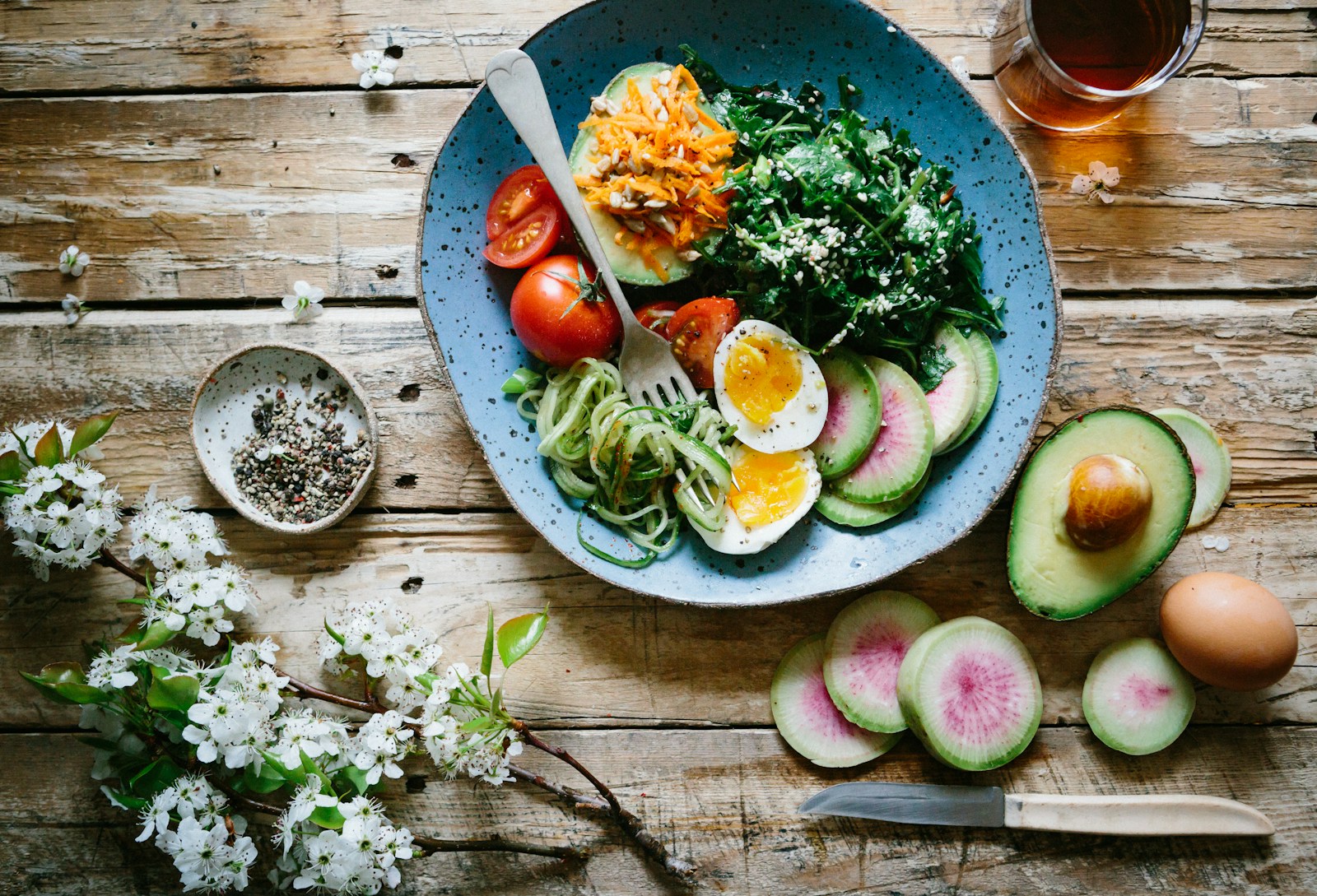
A low-carb table with eggs, salmon, greens, avocado, herbs, and vegetables
Dietary guide
Food EditionDietary
Framework hub
Keto
Dietary framework

Keto hub.

The practical version is clear and unsentimental: keep carbs very low, build meals around protein and low-carb vegetables, use fat for satiety rather than excess, salt food properly, plan fiber, and treat keto breads, sweeteners, dairy, and nuts as tools with limits. It is a cooking pattern, not a miracle.

Keto is a very-low-carbohydrate eating pattern usually built to keep daily carbohydrates low enough that the body shifts toward using fat and ketones for fuel. In everyday cooking, that means fewer grains, beans, sugar, most fruit, starchy vegetables, and conventional baked goods, with more eggs, meat, poultry, fish, seafood, tofu, tempeh, low-carb vegetables, fats, and sauces.

Carb limits are a framework, not a moral score. Many people use a strict daily net-carb range, while others simply keep meals very low in starch and sugar. The useful kitchen question is not how to make every food sound keto. It is whether the meal has protein, low-carb vegetables, enough fat to feel satisfying, enough salt, and enough fiber to work in real life.

Use this hub as a cooking guide, not medical advice. Keto can be inappropriate or require close supervision for people with diabetes, anyone using glucose-lowering medication or insulin, pregnancy, breastfeeding, eating disorder history, kidney disease, pancreatitis, gallbladder disease, liver disease, or complex medical histories. Bring a clinician or registered dietitian into the decision before treating keto as a health plan.

Use it for Keto cooking works best as a carb framework, not a personality.
How this framework works.

Keto cooking works best as a carb framework, not a personality.

Keto cooking works best as a carb framework, not a personality.

A practical keto hub for very-low-carb cooking: eggs, meat, fish, tofu, low-carb vegetables, careful dairy and nuts, electrolytes, fiber, cauliflower rice, zucchini noodles, keto baking limits, and meals that stay grounded instead of chasing miracle claims.

01

Set the carb boundary before the menu.

Keto usually means a very-low-carb day, often tracked as net carbs. That boundary changes the plate: bread, pasta, rice, potatoes, beans, sugar, juice, most desserts, and many fruits move out of the everyday center. Eggs, fish, meat, tofu, greens, cruciferous vegetables, mushrooms, zucchini, avocado, olives, oils, butter, and low-carb sauces move in.

02

Choose protein first.

Protein gives the meal structure. Eggs, chicken, turkey, beef, pork, lamb, salmon, sardines, tuna, shrimp, white fish, tofu, tempeh, and seitan-style proteins if they fit your carb target can all anchor keto meals. The goal is not a plate of fat. It is a plate with enough protein to feel like dinner.

03

Use fat for satiety, not spectacle.

Olive oil, avocado oil, butter, ghee, mayonnaise, cream, cheese, avocado, olives, nuts, seeds, and fatty fish can help a very-low-carb meal feel complete. More is not automatically better. Use fat to cook vegetables, dress salads, carry sauce, and finish a plate, not to turn every meal into an eating challenge.

04

Make low-carb vegetables non-negotiable.

Leafy greens, cabbage, broccoli, cauliflower, zucchini, cucumber, asparagus, mushrooms, green beans, peppers in modest amounts, celery, radishes, herbs, and lettuces bring volume, color, crunch, minerals, and fiber. Keto gets harder and duller when vegetables disappear.

05

Plan electrolytes and fluids calmly.

Very-low-carb eating can change how the body handles water and sodium. Many people need to pay closer attention to salt, fluids, potassium-rich low-carb foods, and magnesium-containing foods. That does not mean chugging supplements at random. It means salting food, using broths or electrolyte drinks when appropriate, and asking a clinician if blood pressure, kidney function, medications, or heart history are in the picture.

06

Protect fiber on purpose.

Removing grains, beans, fruit, and many starchy vegetables can cut fiber sharply. Low-carb vegetables, chia, flax, hemp, pumpkin seeds, almonds in measured amounts, avocado, psyllium when tolerated, and careful servings of berries can help keep the pattern more workable. Hydration matters when fiber changes.

07

Use substitutes with honest expectations.

Cauliflower rice, zucchini noodles, cabbage noodles, lettuce wraps, egg wraps, almond-flour bread, coconut-flour pancakes, and sweetener-based desserts can be useful. They are not identical to rice, pasta, sourdough, or pastry. The best keto cooking often stops imitating and starts building meals that are good on their own terms.

Low-carb table

Keto should still look like dinner: protein, greens, browned edges, acid, salt, and enough fat to make the plate settle.

A table of low-carb vegetables, herbs, eggs, fish, avocado, and simple sauces

What the plate asks for.

Low-carb vegetables and herbs arranged in market lightStart in the produce drawer: greens, cabbage, cauliflower, mushrooms, cucumber, herbs, and crunch.

Lean into.

  • Eggs, fish, meat, poultry, tofu, and tempehEggs, salmon, sardines, tuna, cod, shrimp, chicken thighs, turkey, beef, pork, lamb, tofu, tempeh, and simple protein anchors that can take herbs, spices, pan sauces, and crisp edges.
  • Low-carb vegetablesSpinach, kale, romaine, arugula, cabbage, broccoli, cauliflower, zucchini, cucumber, asparagus, mushrooms, green beans, radishes, celery, herbs, and lettuces in generous, well-seasoned portions.
  • Satisfying fats used with restraintOlive oil, avocado oil, butter, ghee, avocado, olives, mayonnaise, cream, cheese, fatty fish, nuts, and seeds used to make meals satisfying, not to overwhelm the plate.
  • Low-carb swaps that solve real problemsCauliflower rice for bowls and stir-fries, zucchini noodles under rich sauces, cabbage leaves for wraps, egg wraps for breakfast, and roasted cauliflower when the meal needs bulk.
  • Salt, acid, herbs, and crunchSalt, lemon, vinegar, pickles, mustard, capers, herbs, chile, garlic, toasted seeds, crisp lettuce, and browned edges keep keto food from becoming heavy and flat.
  • Fiber-aware add-insChia, flax, hemp, pumpkin seeds, avocado, leafy greens, cruciferous vegetables, psyllium when tolerated, and small portions of berries if they fit the carb framework.

Handle carefully.

  • Sugar and sweet drinksSoda, juice, sweet tea, sweet coffee drinks, syrups, candy, conventional desserts, honey, agave, maple syrup, and sugar-heavy sauces usually do not fit a keto carb framework.
  • Grains, beans, and starchy staplesBread, pasta, rice, tortillas, oats, cereal, quinoa, most crackers, beans, lentils, chickpeas, potatoes, sweet potatoes, corn, and most flour-based foods are usually limited or avoided on strict keto.
  • Fruit as the automatic snackFruit is nutrient-rich, but many fruits are too high in carbohydrate for a strict keto day. Berries may fit in small portions for some people; bananas, grapes, mango, dried fruit, and fruit juice usually do not.
  • Dairy as a free foodCheese, cream, yogurt, and sour cream can belong, but they are easy to overuse and some yogurts carry more carbohydrate than expected. Use dairy for flavor, protein, or texture, not as the whole structure of the meal.
  • Nuts and nut flours without a planAlmonds, macadamias, walnuts, pecans, peanut butter, almond flour, and coconut flour can help keto cooking, but portions climb quickly. Keto baked goods can still be energy-dense and easy to overeat.
  • Processed keto snacks as the foundationBars, shakes, packaged desserts, low-carb breads, and snack foods can be convenient, but labels do not make a pattern. Build the week from real meals first.

A keto sample day in practice.

Portions and carb targets vary by person and medical context. This is a cooking rhythm, not a prescription.

Fish with lemon, herbs, and vegetables on a simple plateKeep the day cooked: protein first, vegetables present, fat measured, salt honest.
Breakfast

Eggs with greens, avocado, and herbs

Eggs scrambled or fried with spinach, mushrooms, herbs, and a little cheese if wanted, served with avocado and salted cucumber or radishes.

Lunch

Salmon salad lettuce cups

Canned salmon or tuna with mayonnaise or olive oil, celery, herbs, mustard, lemon, capers, and crisp lettuce, with pickles and a few olives on the side.

Snack

Broth, cheese, vegetables, or measured nuts

A salted broth, celery with cream cheese, cucumber with tuna, a boiled egg, or a small measured portion of nuts when the day needs something practical.

Dinner

Chicken or tofu with cauliflower rice and vegetables

Seared chicken thighs, shrimp, steak, or tofu over cauliflower rice with broccoli, cabbage, zucchini, or mushrooms, finished with garlic butter, chile oil, sesame sauce, or lemony pan juices.

Dessert

Berries with cream or a small keto bake

A small portion of berries with unsweetened whipped cream, or a modest almond-flour cookie or keto dessert when it fits the day rather than becoming the point of the day.

High-intent recipe paths.

Search path

Eggs with spinach, mushrooms, and avocado

A simple breakfast that uses protein, greens, fat, and salt without turning the morning into a project.

keto eggs spinach mushrooms avocado breakfast
Search path

Salmon with cucumber herb salad

Rich fish, cool crunch, lemon, herbs, and enough olive oil to make the plate feel finished.

keto salmon cucumber herb salad lemon olive oil
Search path

Chicken thighs with cauliflower rice

Crisp-edged chicken, low-carb vegetables, and cauliflower rice built for pan juices instead of pretending to be takeout rice.

keto chicken thighs cauliflower rice broccoli garlic butter
Search path

Tofu and cabbage stir-fry

A meatless keto option with crisp tofu, cabbage, sesame, ginger, garlic, and a sauce that keeps carbs controlled.

keto tofu cabbage stir fry sesame ginger garlic
Search path

Zucchini noodles with shrimp and garlic

Fast shrimp, bright lemon, garlic, and zucchini noodles cooked briefly so they stay lively instead of watery.

keto zucchini noodles shrimp garlic lemon butter
Search path

Lettuce wrap burgers with pickles

A familiar dinner made low-carb with crisp lettuce, mustard, pickles, avocado, and enough vegetables to keep it balanced.

keto lettuce wrap burger pickles mustard avocado
Search path

Keto seed crackers with tuna salad

Crunch from seeds, protein from tuna, and enough celery, herbs, mustard, and lemon to avoid heaviness.

keto seed crackers tuna salad celery herbs
Search path

Almond-flour bread or small berry dessert

Useful when the craving is real, best kept modest because keto baking is still baking.

keto almond flour bread berry dessert whipped cream

Myths to correct.

Myth vs fact

"Keto guarantees weight loss."

Keto is a very-low-carb framework, not a guarantee. Appetite, total intake, health history, medications, sleep, stress, activity, and sustainability all matter. This hub focuses on cooking, not promises.

Myth vs fact

"If it says keto, the portion does not matter."

Keto breads, bars, desserts, nuts, cheese, cream, and fat-heavy snacks can still add up quickly. The label may describe carbohydrate level, but it does not make food unlimited.

Myth vs fact

"Vegetables are too high in carbs for keto."

Some vegetables are too starchy for strict keto, but low-carb vegetables are central to a more workable plate. Greens, cabbage, broccoli, cauliflower, zucchini, mushrooms, cucumber, herbs, and lettuces belong in the rotation.

Myth vs fact

"More fat always means better keto."

Fat helps very-low-carb meals feel satisfying, but excess fat can make meals heavy and crowd out protein, vegetables, and fiber. Use enough fat to make the food work.

Myth vs fact

"Cauliflower rice and zucchini noodles are exact replacements."

They are useful low-carb ingredients, not magic copies of rice and pasta. They work best when cooked for their own texture and paired with bold sauces, protein, salt, and acid.

Myth vs fact

"Keto means you never need medical input."

Keto can interact with diabetes management, medications, pregnancy, eating disorder recovery, kidney health, pancreatitis, gallbladder disease, and other conditions. Personal guidance matters.

Questions readers bring.

01
What does keto mean in practical cooking?

Keto means keeping carbohydrates very low, then building meals around protein, low-carb vegetables, and enough fat for satiety. In the kitchen, that usually means fewer grains, beans, sugar, most fruit, potatoes, and regular baked goods, with more eggs, fish, meat, poultry, tofu, greens, cauliflower, zucchini, avocado, oils, butter, and low-carb sauces.

02
How many carbs are allowed on keto?

There is no single universal number, but many strict keto plans use a very low daily net-carb framework. Some people track carefully; others keep meals very low in starch and sugar. If keto is being used for a medical reason, the carb target should come from a qualified clinician or registered dietitian.

03
Can keto include vegetables?

Yes, and it usually works better when it does. Leafy greens, cabbage, broccoli, cauliflower, zucchini, mushrooms, cucumber, asparagus, celery, radishes, herbs, and lettuces bring fiber, minerals, volume, and freshness while keeping carbs lower than grains, potatoes, beans, and most fruit.

04
Is keto all bacon, butter, and cheese?

It should not be. Bacon, butter, cream, and cheese can fit some keto meals, but they are not a complete kitchen. Eggs, fish, poultry, meat, tofu, low-carb vegetables, olive oil, avocado, herbs, vinegar, broths, seeds, and careful dairy make a more practical pattern.

05
What should I know about electrolytes?

Very-low-carb eating can shift water and sodium balance, especially early on. Salt food properly, drink fluids, and include low-carb foods that bring potassium and magnesium. If you take blood pressure medication, diuretics, diabetes medication, heart medication, or have kidney concerns, get individualized guidance before changing salt or supplements.

06
Can I bake on keto?

Yes, but keto baking has limits. Almond flour, coconut flour, eggs, cream cheese, psyllium, and low-carb sweeteners behave differently from wheat flour, sugar, and yeast dough. Keto bread and desserts can help with cravings, but they rarely behave exactly like classic bakery food and should not become the whole pattern.

07
Is keto safe for diabetes?

Keto can change blood glucose and medication needs quickly. Anyone with diabetes, prediabetes using medication, insulin use, or a history of low blood sugar should work with a clinician before trying keto and should not adjust medication alone.

08
Who should be especially cautious with keto?

People who are pregnant or breastfeeding, have an eating disorder history, kidney disease, pancreatitis, gallbladder disease, liver disease, diabetes, or take glucose-lowering medication, blood pressure medication, diuretics, or other relevant prescriptions should get professional guidance before using keto.

Where it connects.

Kitchen boundary.

This page is for general cooking and educational use. It is not medical advice, diagnosis, treatment, or a promise of weight loss or disease reversal. Keto is a very-low-carbohydrate pattern that may be inappropriate or require close supervision for people with diabetes, anyone taking insulin or glucose-lowering medication, pregnancy, breastfeeding, eating disorder history, kidney disease, pancreatitis, gallbladder disease, liver disease, heart disease, blood pressure concerns, or complex medical histories. Work with a qualified clinician or registered dietitian for individual guidance.