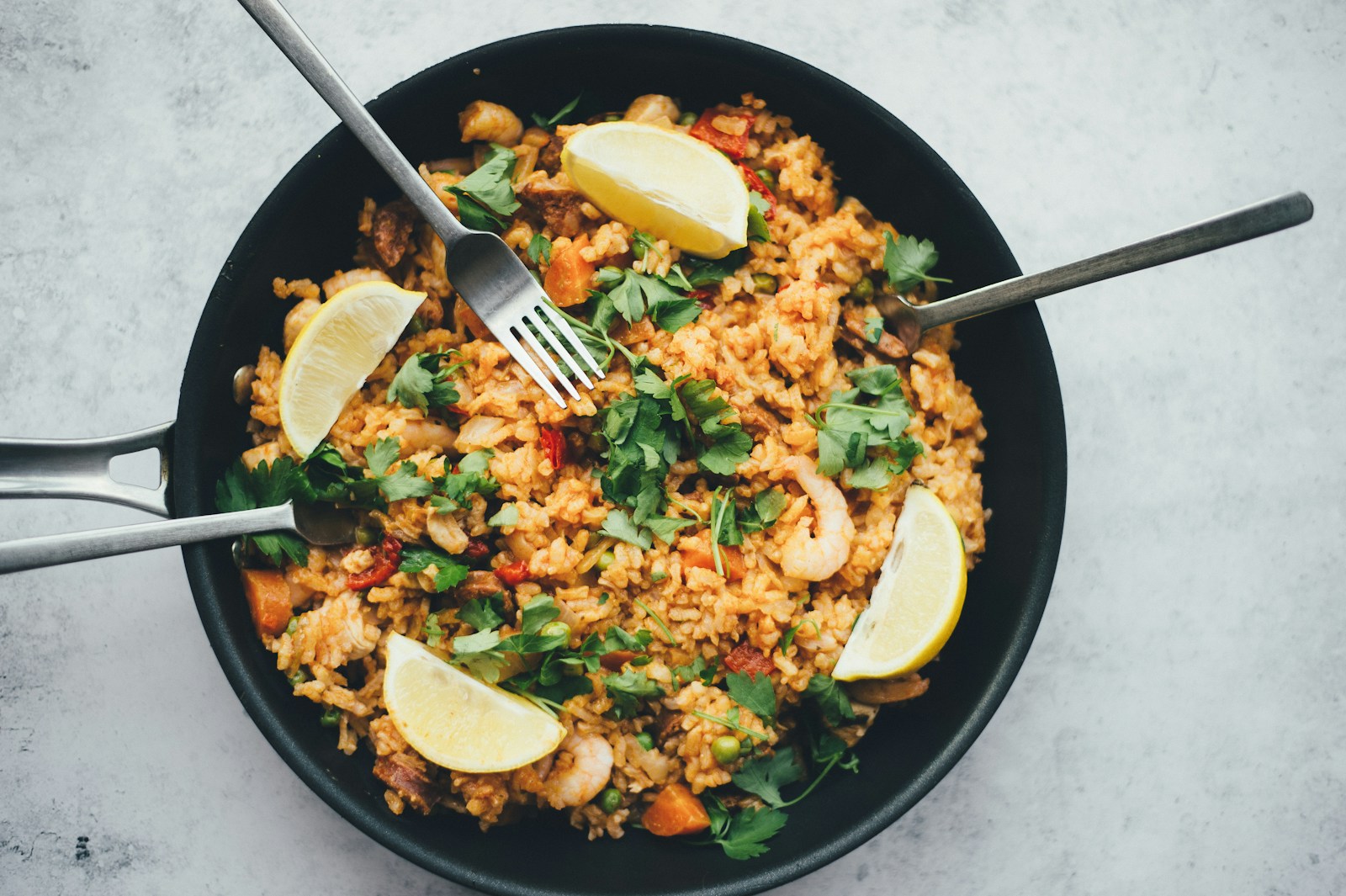
Low-FODMAP is a short-term mapmaking process, not a forever list of forbidden foods.
A practical Low-FODMAP hub for IBS cooking: short-term elimination, structured reintroduction, portion sensitivity, onion and garlic alternatives, garlic-infused oil, fructans, lactose, polyols, label reading, eating out, rice, potatoes, oats, proteins, low-FODMAP vegetables and fruit, and the difference between Low-FODMAP, gluten-free, and dairy-free.
01
Use it as a structured IBS tool.
Low-FODMAP is usually a short-term elimination and reintroduction pattern for IBS symptom management. The elimination phase reduces high-FODMAP foods for a defined window, then reintroduction tests specific groups one at a time. The long-term goal is the broadest diet that controls symptoms, not a permanent strict menu.
02
Know the main FODMAP groups.
Common problem categories include fructans in wheat, onion, garlic, and some vegetables; lactose in milk and soft dairy; excess fructose in some fruit and sweeteners; galacto-oligosaccharides in beans and some legumes; and polyols such as sorbitol and mannitol in certain fruit, vegetables, gums, mints, and sugar-free products.
03
Treat onion and garlic as the daily engineering challenge.
Onion and garlic are major fructan sources and show up in home cooking, spice blends, broths, sauces, marinades, restaurant bases, and packaged foods. Replace them with garlic-infused oil, scallion greens, chive, leek greens, ginger, citrus, vinegar, herbs, toasted spices, asafoetida where tolerated, and good browning instead of pretending plain food is the goal.
04
Use garlic-infused oil correctly.
FODMAPs are water-soluble, not oil-soluble, so commercially prepared garlic-infused oil can bring garlic flavor without the fructans. Do not store homemade garlic-in-oil at room temperature. For safety, use a reputable prepared product or follow food-safety guidance for refrigerated short-term use.
05
Portions change the answer.
Low-FODMAP is not only a yes-or-no food list. Many foods have low-FODMAP portions and higher-FODMAP portions. Oats, fruit, vegetables, nuts, seeds, canned legumes, dairy alternatives, sauces, and sweeteners can all shift with serving size, stacking across a meal, and individual tolerance.
06
Build meals from sturdy low-FODMAP staples.
Rice, potatoes, quinoa, corn, oats in appropriate portions, gluten-free pasta where needed, eggs, fish, chicken, meat, firm tofu, tempeh if tolerated, lactose-free yogurt, hard cheeses in small portions, olive oil, herbs, and many vegetables and fruits can make normal meals while symptoms are being mapped.
07
Choose produce deliberately.
Low-FODMAP vegetables often include carrots, cucumbers, lettuce, spinach, bell peppers, zucchini, eggplant, green beans, tomatoes, potatoes, and scallion greens in suitable portions. Fruits often include strawberries, blueberries, oranges, kiwi, grapes, pineapple, and unripe banana in suitable portions. Portion and personal tolerance still matter.
08
Read labels for quiet triggers.
Watch for onion, garlic, wheat, inulin, chicory root fiber, high-fructose corn syrup, honey, agave, apple or pear juice concentrate, milk solids, lactose, whey, sugar alcohols, sorbitol, mannitol, xylitol, maltitol, and vague natural flavors in broths, sauces, dressings, bars, protein powders, spice blends, and snack foods.
09
Plan restaurants before hunger negotiates.
Restaurant food often begins with onion, garlic, wheat-based sauces, stock, marinades, dressings, spice mixes, and dairy. Look for simple grilled proteins, rice, potatoes, eggs, salads without onion, steamed or roasted low-FODMAP vegetables, sauces on the side, and kitchens willing to answer specific questions without guessing.