A bright whole-food table with vegetables, eggs, herbs, fruit, fish, potatoes, and simple sauces
Dietary guide
Food EditionDietary
Framework hub
Whole30
Dietary framework

Whole30 hub.

For 30 days, the rules are clear: no added sugar or sweeteners, no alcohol, no grains, no legumes, no dairy, and no shortcut desserts or baked-good recreations. The useful version is calm and practical: read labels, cook enough food, build sauces, plan reintroduction, and avoid turning ingredients into moral categories.

Whole30 is a structured 30-day elimination protocol. During the 30 days, meals are built from vegetables, fruit, potatoes and other compliant starchy vegetables, eggs, meat, poultry, fish, seafood, nuts, seeds, herbs, spices, and compliant fats, while added sugar and sweeteners, alcohol, grains, legumes, dairy, and many packaged shortcuts are left out.

The point is not to prove discipline, chase detox language, or guarantee weight loss. Whole30 is most useful when treated as a temporary experiment with a clear beginning, a clear end, and a careful reintroduction phase that helps you notice how specific food groups fit your body and life after the 30 days.

Use this hub as a cooking and planning guide, not a medical plan. Whole30 removes several major food groups at once and can be too restrictive or medically inappropriate for some people. If you have diabetes, kidney disease, pregnancy, breastfeeding, an eating disorder history, complex medical needs, or a clinician-prescribed nutrition plan, get individualized guidance before starting.

Use it for Whole30 is a short elimination protocol, not a purity test.
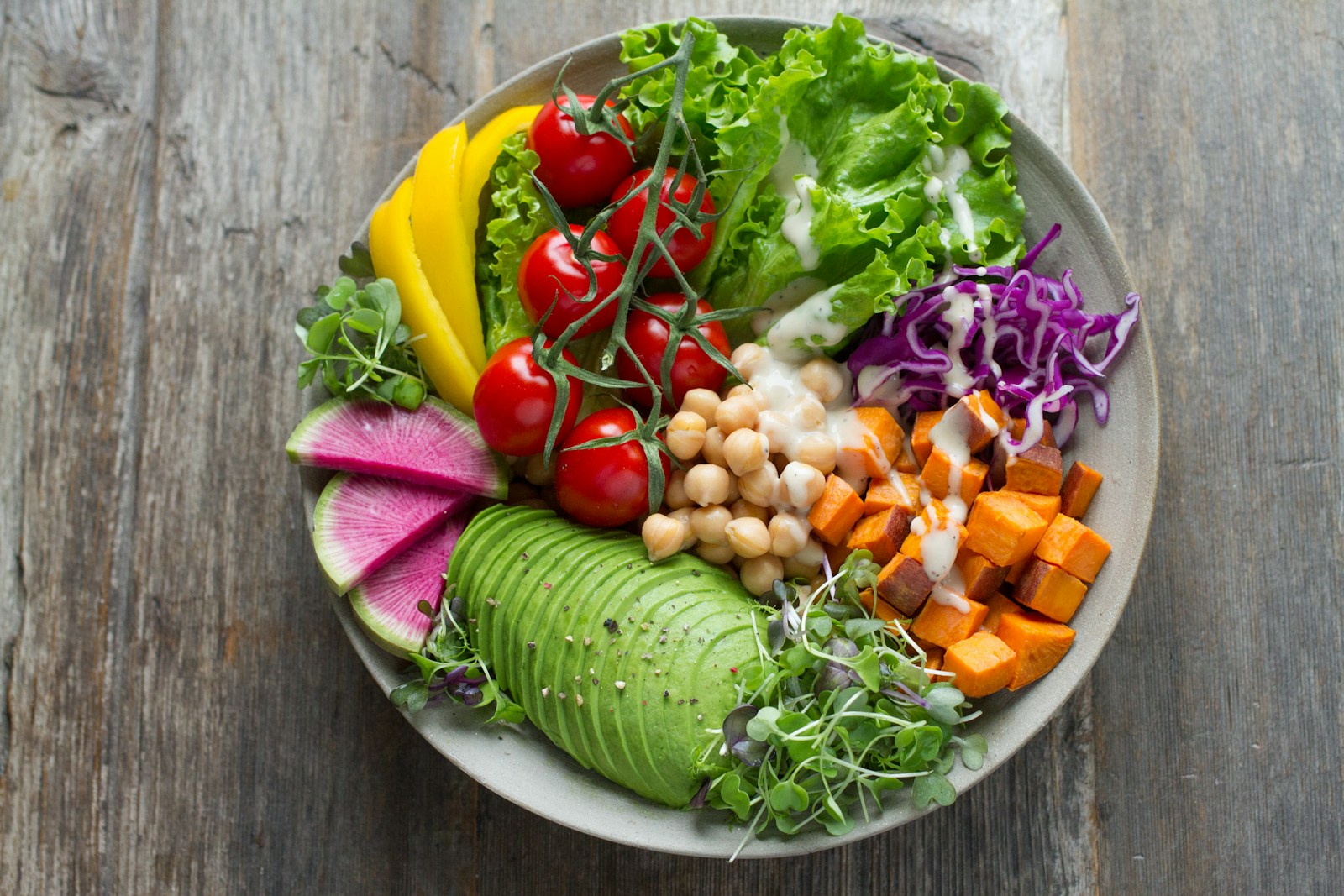
How this framework works.

Whole30 is a short elimination protocol, not a purity test.

Whole30 is a short elimination protocol, not a purity test.

A practical Whole30 hub for the 30-day elimination protocol: vegetables, fruit, eggs, meat, fish, potatoes, compliant fats, no added sugar, alcohol, grains, legumes, dairy, careful label reading, reintroduction, meal prep, sauces, social meals, and a non-moral approach to food.

01

Understand the 30-day boundary.

Whole30 is intentionally time-limited. For 30 days, the pattern excludes added sugar and sweeteners, alcohol, grains, legumes, dairy, and food recreations such as compliant pancakes, cookies, brownies, or bread-style substitutes. The structure matters because reintroduction only teaches you something if the elimination phase is consistent.

02

Build plates from real meals, not emergency snacks.

A workable Whole30 plate usually needs protein, generous vegetables, enough starchy vegetable or fat to feel satisfying, salt, acid, herbs, and texture. Eggs with potatoes and greens, chicken with roasted vegetables, salmon with slaw, beef with sweet potato, or shrimp with cauliflower rice will carry you farther than a drawer full of compliant bars.

03

Read labels like a cook.

Added sugar and sweeteners can hide in bacon, sausage, broth, salsa, marinades, nut milks, dressings, hot sauce, spice blends, dried fruit, and packaged snacks. Grains, soy, dairy, alcohol-based extracts, and legume ingredients also show up in ordinary foods. Label reading is not anxiety work; it is mise en place for a strict 30-day protocol.

04

Make sauces before you get bored.

Whole30 gets much easier with compliant sauces: herby mayo, chimichurri, salsa, guacamole, creamy seed dressings, coconut curry sauce, mustard vinaigrette without sugar, olive-oil ranch, lemon-garlic dressing, and pan sauces built from broth, citrus, herbs, and cooking juices. Sauce is how repeat ingredients stay interesting.

05

Treat reintroduction as part of the program.

The 30 days are only the first half of the learning. Reintroduction brings back food groups deliberately, one at a time, with simple meals around them so you can notice patterns without guessing. Rushing straight from elimination into a regular mixed diet makes it harder to tell what actually changed.

06

Plan social meals without making food moral.

Restaurants, family dinners, holidays, work events, and travel need a script. Look for grilled proteins, plain potatoes, salads without cheese or sweet dressings, vegetables cooked in compliant fats, bunless burgers, omelets without dairy, and simple seafood. Say what you are doing plainly, skip sermons, and avoid language that turns other people food choices into a judgment.

07

Do not use Whole30 as a weight-loss promise.

Some people notice body changes during Whole30, and some do not. That is not the measure of whether the kitchen worked. The stronger goal is clearer cooking, better label awareness, steadier meal prep, and useful information from reintroduction. Weight loss claims, detox claims, and punishment language do not belong here.

What the plate asks for.

Lean into.

  • Vegetables in generous portionsLeafy greens, broccoli, cabbage, cauliflower, carrots, peppers, mushrooms, zucchini, cucumbers, onions, asparagus, radishes, tomatoes, herbs, slaws, roasted trays, soups, and crisp raw vegetables.
  • Protein anchorsEggs, chicken, turkey, beef, pork, lamb, salmon, sardines, tuna, shrimp, white fish, scallops, compliant sausage or bacon when labels work, and leftovers planned for breakfast, lunch, and fast dinners.
  • Compliant starchesPotatoes, sweet potatoes, winter squash, beets, carrots, parsnips, plantains, and other starchy vegetables that keep meals satisfying without grains, beans, pasta, bread, or rice.
  • Fruit used like food, not dessert mathBerries, apples, citrus, pears, bananas, melon, stone fruit, and tropical fruit can fit. Use fruit with meals or snacks, and keep dried fruit and fruit-heavy bars from becoming the default sweet fix.
  • Fats, nuts, seeds, and olivesAvocado, olives, olive oil, avocado oil, coconut milk, coconut flakes, almonds, walnuts, pecans, cashews, pumpkin seeds, sunflower seeds, chia, flax, and compliant mayonnaise or dressings.
  • Flavor buildersSalt, pepper, lemon, lime, vinegar, mustard without sugar, garlic, ginger, chile, herbs, spices, pickles, capers, salsa, coconut aminos, broth, and pan juices that make simple food feel deliberate.

Handle carefully.

  • Added sugar and sweetenersSugar, honey, maple syrup, agave, coconut sugar, stevia, monk fruit, erythritol, sucralose, aspartame, syrups, sweetened drinks, candy, desserts, and sweet sauces sit outside the 30-day Whole30 rules.
  • AlcoholBeer, wine, liquor, cocktails, cooking wine, and alcohol used as an ingredient are left out during the 30 days. Whole30 is not a reason to restart drinking after the program if avoiding alcohol is better for you.
  • GrainsWheat, rice, oats, corn, barley, farro, rye, quinoa, pasta, bread, tortillas, cereal, crackers, flour, breadcrumbs, and most baked goods are excluded during the elimination phase.
  • Legumes and soyBeans, lentils, chickpeas, peas, peanuts, peanut butter, soybeans, tofu, tempeh, edamame, soy sauce, soy milk, and most legume-based pastas are left out for the 30 days.
  • DairyMilk, cream, cheese, yogurt, kefir, sour cream, butter, and most whey or casein ingredients are avoided. Many Whole30 kitchens use ghee or clarified butter, but the meal should not rely on dairy for structure.
  • Compliant recreations as the main eventPancakes, muffins, cookies, brownies, pizza crusts, tortillas, chips, and dessert-style recipes made from compliant ingredients still work against the spirit of the protocol. Build meals first.

A Whole30 sample day in practice.

Portions depend on appetite, schedule, activity, medical context, and personal needs. This is a cooking rhythm for the 30-day protocol, not a prescription.

Breakfast

Eggs with potatoes, greens, and salsa

Eggs scrambled or fried with spinach or kale, roasted potatoes, avocado, herbs, and a no-sugar salsa or hot sauce with a label that works.

Lunch

Chicken salad over crunchy vegetables

Leftover chicken with compliant mayonnaise, celery, herbs, mustard, lemon, apple if wanted, and toasted walnuts over lettuce, cucumber, carrots, and radishes.

Snack

Protein, produce, or fat with a purpose

A boiled egg, tuna with cucumber, apple with almond butter, olives with vegetables, or a small handful of nuts when the day genuinely needs a bridge.

Dinner

Salmon with sweet potato and slaw

Salmon or another fish with roasted sweet potato, cabbage slaw, lemon, herbs, olive oil, and a compliant dressing sharp enough to keep the plate lively.

After dinner

Tea, fruit, or nothing required

Unsweetened tea, fresh fruit, or simply ending the meal can all fit. Whole30 does not require a dessert replacement, and skipping dessert is not a moral achievement.

High-intent recipe paths.

Search path

Egg, potato, and greens breakfast skillet

A sturdy breakfast with protein, starch, greens, herbs, and enough sauce to keep the plate from feeling plain.

Whole30 egg potato greens breakfast skillet avocado salsa
Search path

Chicken salad lettuce boats

Leftover chicken, compliant mayo, celery, herbs, lemon, apple, and walnuts tucked into crisp lettuce for fast lunches.

Whole30 chicken salad lettuce boats apple walnuts compliant mayo
Search path

Salmon with sweet potato and cabbage slaw

Rich fish, roasted sweet potato, sharp slaw, and lemony dressing make a complete dinner without grains or dairy.

Whole30 salmon sweet potato cabbage slaw lemon olive oil
Search path

Beef and vegetable skillet with cauliflower rice

Ground beef or sliced steak, vegetables, cauliflower rice, coconut aminos, garlic, and ginger for a weeknight pan meal.

Whole30 beef vegetable skillet cauliflower rice peppers mushrooms
Search path

Coconut curry chicken with vegetables

Coconut milk, chicken, vegetables, ginger, lime, and a label-checked curry paste or spice blend for a sauce-forward dinner.

Whole30 coconut curry chicken vegetables compliant curry paste
Search path

Turkey meatballs with tomato sauce and zucchini

Tender meatballs, no-sugar tomato sauce, herbs, and zucchini cooked quickly so it stays fresh rather than watery.

Whole30 turkey meatballs tomato sauce zucchini noodles
Search path

Tuna cucumber plates with olives and potatoes

A pantry lunch with tuna, cucumber, olives, herbs, leftover potatoes, olive oil, and lemon.

Whole30 tuna cucumber olives potatoes lunch plate
Search path

Sheet-pan pork tenderloin with apples and squash

Pork, apples, winter squash, onions, herbs, and pan juices for a dinner that feels composed without extra fuss.

Whole30 pork tenderloin apples squash sheet pan dinner

Myths to correct.

Myth vs fact

"Whole30 is a detox."

Whole30 is a 30-day elimination and reintroduction protocol. Detox claims are not needed. Your liver, kidneys, digestive system, and medical context deserve more careful language than a slogan.

Myth vs fact

"Whole30 guarantees weight loss."

It does not. Whole30 changes food choices for a month, but weight outcomes vary and are not the point of this hub. The useful results are practical cooking habits, label awareness, and information from reintroduction.

Myth vs fact

"Compliant ingredients make any recipe Whole30-friendly."

The program also avoids recreating sweets, baked goods, pancakes, pizza crusts, tortillas, chips, and dessert-style foods during the 30 days. A technically compliant ingredient list can still miss the point.

Myth vs fact

"Whole30 means carbs are forbidden."

Whole30 removes grains, legumes, added sugar, and sweeteners, but it can include potatoes, sweet potatoes, winter squash, beets, carrots, plantains, and fruit. It is not the same framework as keto.

Myth vs fact

"If a food is off-plan, it is bad."

Whole30 categories are temporary protocol rules, not moral labels. Rice, beans, yogurt, oats, peanut butter, and bread can be useful foods in other contexts. During Whole30, they are simply outside the experiment.

Myth vs fact

"The hard part is willpower."

The hard part is usually logistics: labels, breakfast, packed lunches, sauces, enough starch, social meals, and leftovers. Planning solves more problems than self-criticism does.

Questions readers bring.

01
What is Whole30 in practical terms?

Whole30 is a 30-day elimination protocol. For 30 days, you eat meals built from compliant whole foods such as vegetables, fruit, eggs, meat, fish, seafood, potatoes, nuts, seeds, herbs, spices, and compliant fats while avoiding added sugar, sweeteners, alcohol, grains, legumes, dairy, and shortcut recreations of desserts or baked goods.

02
Is Whole30 the same as Paleo?

No. Whole30 and Paleo overlap, but Whole30 is a specific short protocol with strict rules and a reintroduction phase. Paleo is usually a longer-term grain-free, legume-free, dairy-free cooking pattern with more flexibility around ingredients such as natural sweeteners and grain-free baking.

03
Can I have potatoes on Whole30?

Yes, plain potatoes and sweet potatoes can fit Whole30 when cooked with compliant fats and seasonings. They are often useful because removing grains and legumes can make meals feel thin without a planned starch.

04
Why does label reading matter so much?

Many ordinary foods contain added sugar, soy, dairy, grains, alcohol-based ingredients, or legume ingredients. Bacon, sausage, broth, marinades, dressings, salsa, hot sauce, nut milks, dried fruit, and spice blends all deserve a quick look before they become part of a strict 30-day elimination phase.

05
What happens after the 30 days?

Reintroduction should be deliberate. Bring back food groups one at a time, keep the rest of the meal simple, and notice how you feel before adding the next category. That step is what turns Whole30 from a strict month into useful personal information.

06
Can Whole30 work for restaurants and social meals?

Sometimes, with planning. Look for simply cooked meat, fish, eggs, vegetables, plain potatoes, salads without cheese or sweet dressing, and sauces on the side. Call ahead when needed, eat before a difficult event if that is simpler, and keep the explanation short so the meal does not become a debate.

07
Is Whole30 for weight loss?

Whole30 should not be treated as a weight-loss promise. Some people notice body changes, and some do not. This hub treats Whole30 as a temporary elimination and reintroduction protocol focused on cooking, label awareness, and personal observation rather than scale outcomes.

08
Who should be cautious with Whole30?

Anyone with diabetes, glucose-lowering medication, pregnancy, breastfeeding, kidney disease, food allergies, an eating disorder history, a highly restricted diet, or a medical nutrition plan should get qualified guidance first. Whole30 removes several major food groups at once, which can be too blunt for some situations.

Where it connects.

Kitchen boundary.

This page is for general cooking and educational use. It is not medical advice, diagnosis, treatment, detox guidance, or a promise of weight loss, improved performance, or disease prevention. Whole30 is a temporary elimination and reintroduction protocol that removes added sugar, alcohol, grains, legumes, dairy, and some common packaged foods. Nutrition needs vary by age, health history, medications, allergies, pregnancy, activity, culture, budget, and personal goals. Work with a qualified clinician or registered dietitian for individual guidance, especially if you have diabetes, use glucose-lowering medication, are pregnant or breastfeeding, have kidney disease, or have an eating disorder history.