Alcoholic Drinks
Start with the drinks people actually ask for, then learn the logic underneath them: cold, dilution, bitterness, sweetness, acid, strength, glassware, and the quiet discipline of stopping before the drink gets worse.
Five classic drinks that open the bar
- How to make a martini: Gin or vodka, dry vermouth, ice, temperature, dilution, garnish, and the question that divides the room: wet, dry, dirty, or Gibson.
- How to make a margarita: Tequila, lime, orange liqueur, salt, shaken hard enough to wake the citrus up, with room for Tommy's, mezcal, frozen, and pitcher builds.
- How to make an old fashioned: Whiskey, bitters, sugar, ice, citrus oil, and patience. It is the drink that teaches balance without hiding behind juice.
- How to make a negroni: Gin, bitter aperitivo, sweet vermouth, one-to-one-to-one as the starting argument, then the whole Italian aperitivo shelf opens.
- How to make a Manhattan: Rye or bourbon, sweet vermouth, bitters, a stirred chill, and enough structure to explain why vermouth storage matters.
Four ways into the bar
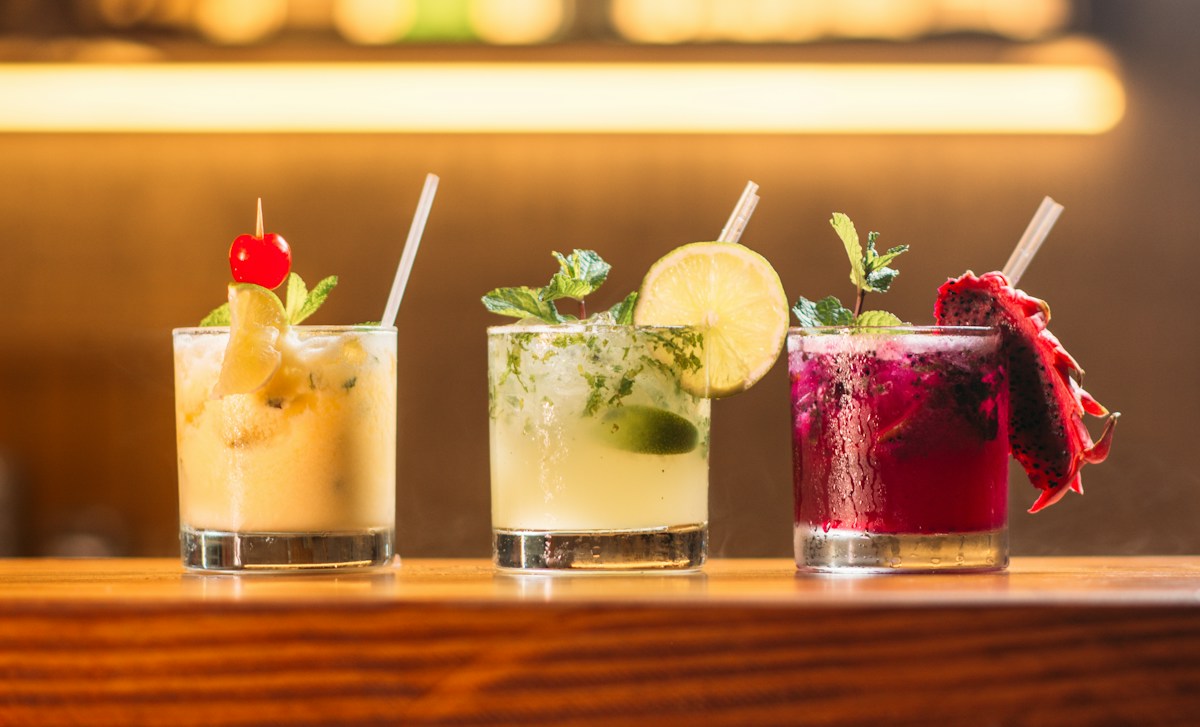
- Cocktails: The practical route for martinis, margaritas, old fashioneds, negronis, spritzes, highballs, sours, punches, stirred drinks, shaken drinks, and batching.
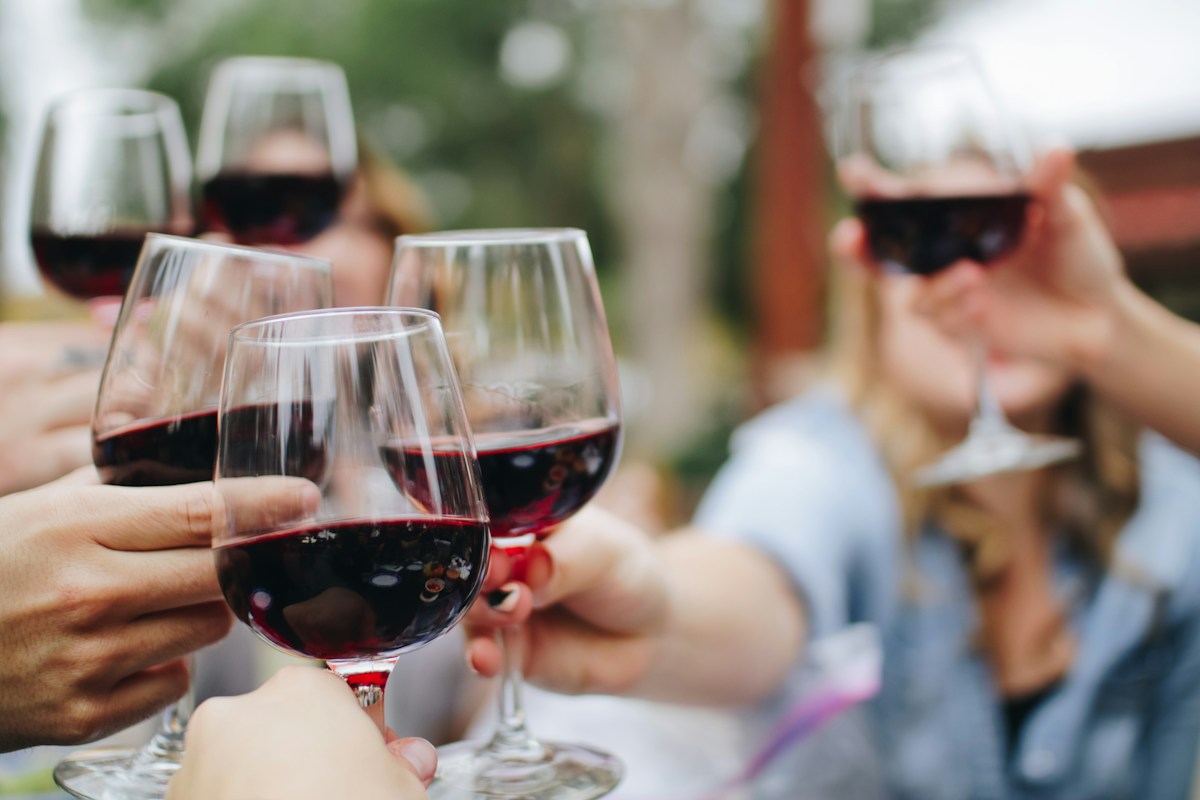
- Wine: How to store, chill, open, pour, pair, and talk about wine without turning dinner into a vocabulary test.
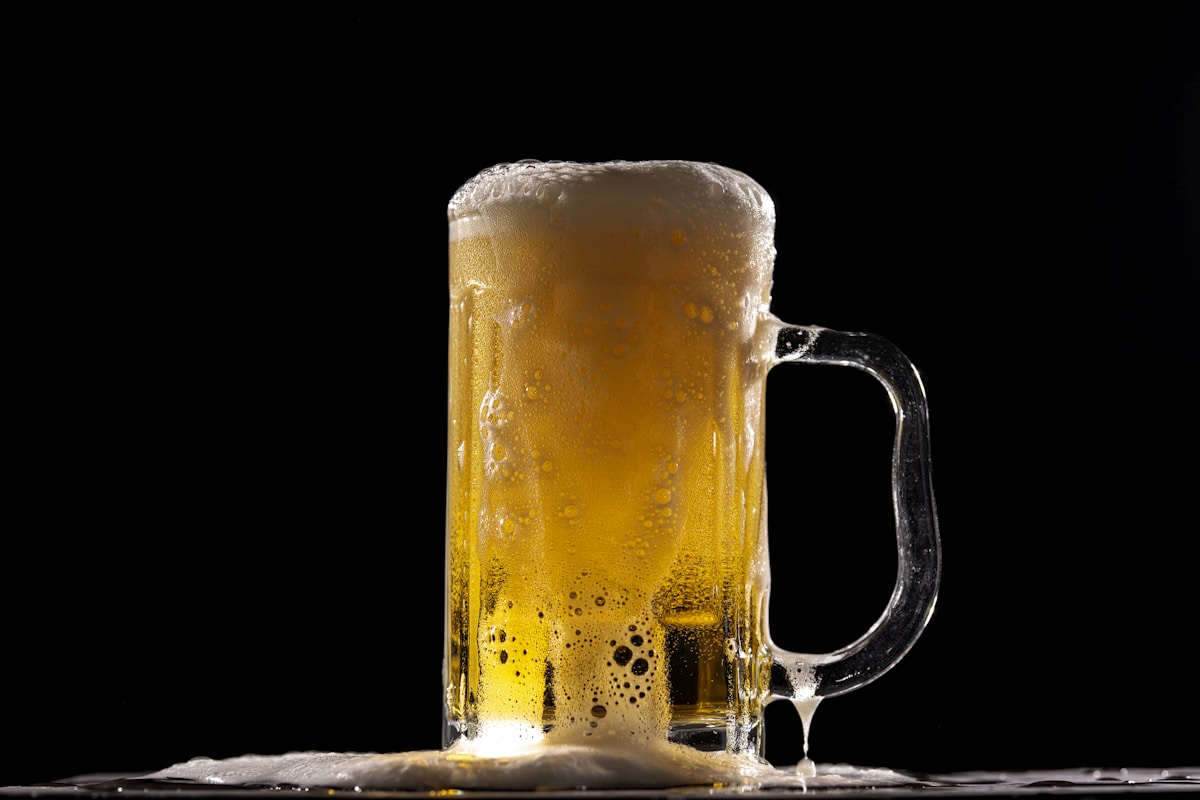
- Beer: Lagers, ales, stouts, sours, pub pints, table beer, draft service, bottle service, and the basics of home-brew logic.
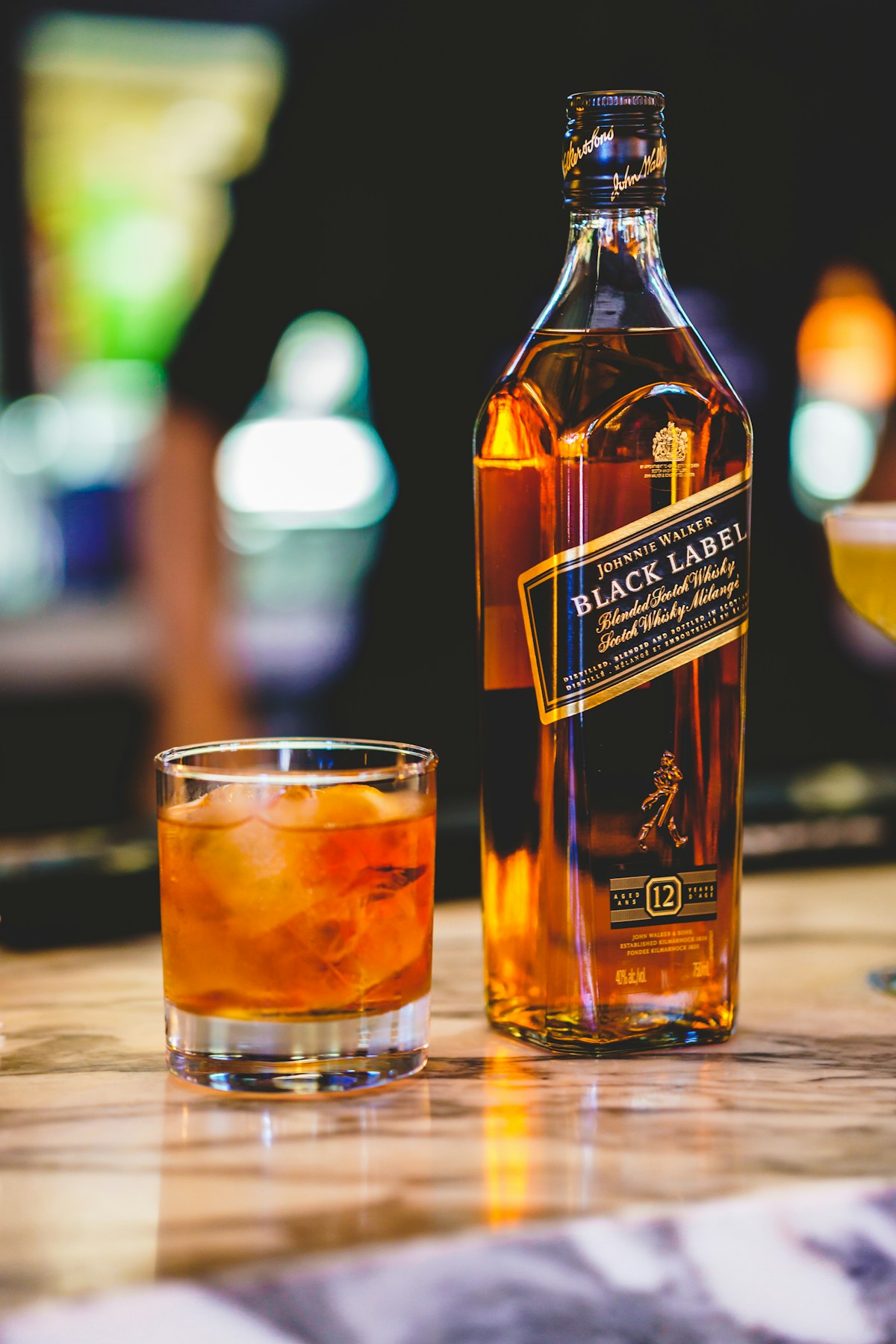
- Spirits: Gin, whiskey, tequila, rum, mezcal, brandy, vodka, liqueurs, amaro, aperitivo, digestifs, neat pours, rocks pours, and the base bottles behind cocktails.
How to think before you pour
- Base: What carries the drink: gin, whiskey, rum, wine, beer, tequila, mezcal, brandy, vodka, or a liqueur.
- Structure: Sweet, sour, bitter, strong, sparkling, creamy, smoky, herbal, dry, or rich. Naming the structure prevents random pouring.
- Temperature: Most failures are not mysterious. The drink is warm, under-diluted, over-diluted, or served in the wrong glass at the wrong speed.
- Context: A pre-dinner drink, a table bottle, a party batch, a nightcap, and a neat pour do different jobs. Start with the job, then choose the bottle.
Drinking cultures that shape the glass
- Italian: negroni, aperitivo, amaro, spritz, vermouth service
- Mexican: tequila, mezcal, margarita, paloma, salt, lime, agave
- Spanish: gin tonic, vermouth hour, sherry, sangria, sidra, late table drinking
- British: pub pints, gin, whisky, punch, porter, bitters, fortified wine
- American: old fashioned, Manhattan, martini culture, dive bar, bourbon, rye
- Japanese: highballs, precision stirring, whisky service, ice, restraint